
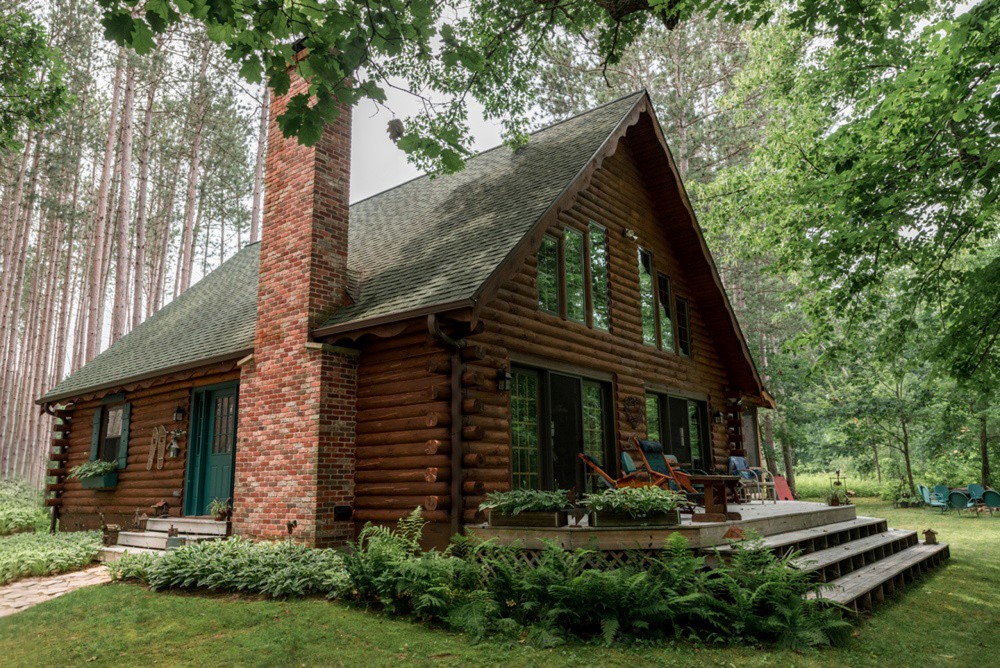
Building a log home is the dream of thousands of Americans each year. As with any style house, you should spend ample time on drawing up the plans. A looming question is, “how large should by new log home be?”
Your log home’s size depends on lifestyle, needs, budget, and lot size, but common ranges are under 1,000 sq ft to 5,000+ sq ft for larger luxury or family homes. Key factors include budget, bedroom count, need for work-at-home office, lofts, guest rooms, site topography, and desired grandness. Start by defining your needs and budget, then explore floor plans from small to large to find a proportional fit for your land and views.
Log Home Size Guidelines By Use Case
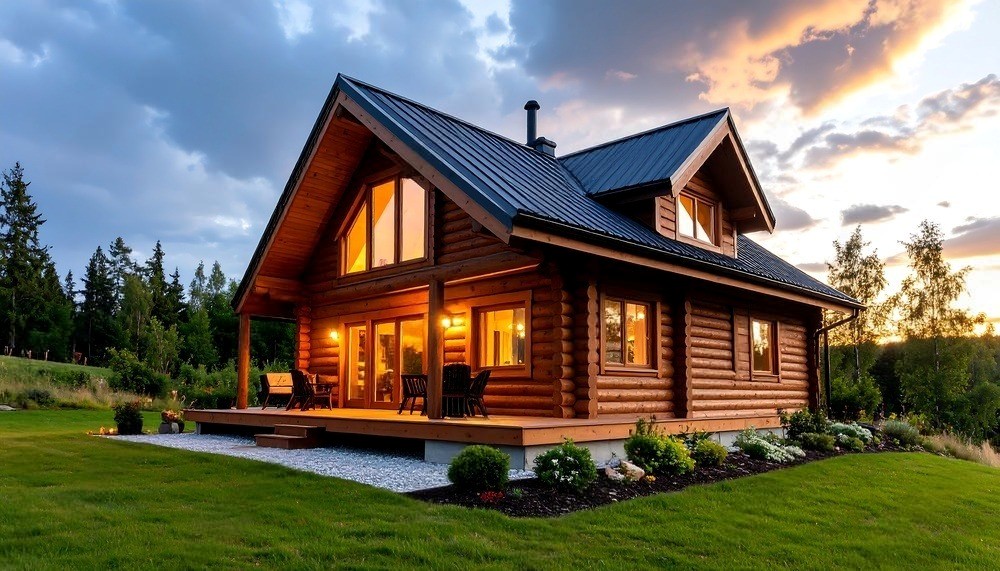
Log home sizes typically fall into four categories: small, mid-sized, large, and grand. Small (Under 1,000 sq ft) is ideal for couples, solo retreats, or weekend getaways, featuring smart layouts with 1-2 bedrooms, big windows, and porches to feel expansive. Mid-Sized (1,000-2,000 sq ft) is popular for full-time living, offering 2-3 bedrooms, generous great rooms, and flexible spaces for offices or hobbies.
Large (2,000-3,000 sq ft) homes are suited for families needing multiple living areas, offices, guest rooms, 2-4 bedrooms and bathrooms, or a luxury feel, often with vaulted ceilings for grandeur. Grand (3,000-5,000 + sq ft) homes are made for family living with unmatched space, style, comfort with luxurious suites, and 4 or more bedrooms and bathrooms. Let’s look at key factors to consider for your home’s size.
Key Factors To Consider
When planning your new log home, there are many decisions to make. If other residents will also be living there, listen to their input for the plans. Contemplate these key factors:
- Your Family & Lifestyle: How many bedrooms, offices, guest spaces, or recreational areas do you need?
- Budget: Larger square footage and thicker log siding or logs (for better insulation and appearance) increase costs.
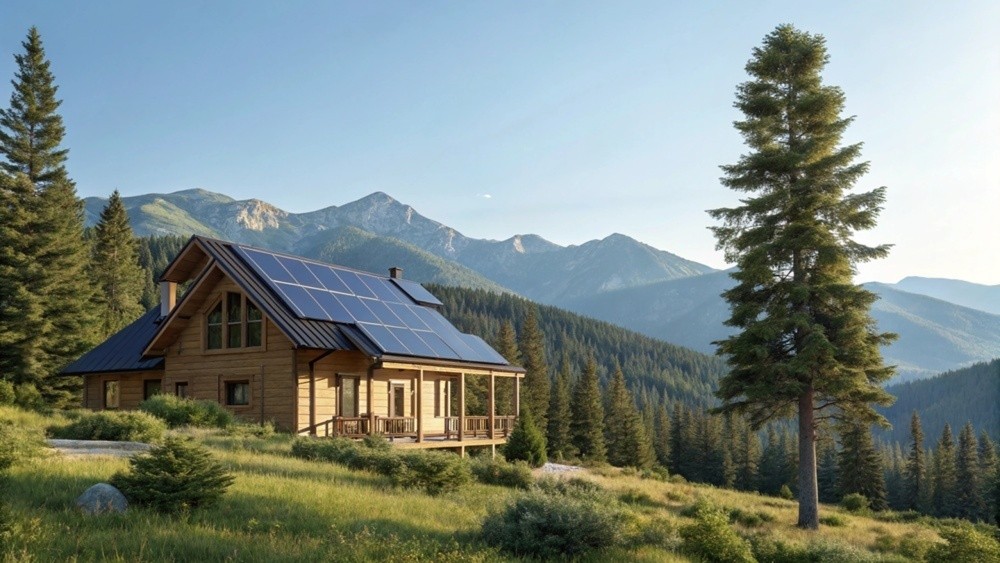
- Lot & Location: Sloped lots allow for walk-out basements and garages; views should influence window placement and home size.
- Log or Log Siding Size: Thicker logs and log siding offer great insulation and rustic appeal but reduce interior square footage; smaller logs provide more usable space.
- Architectural Features: Vaulted ceilings, lofts, and porches add perceived space without increasing footprint.
- Contractor: Obtain 3 bids from contractors with experience building log homes.
“Your log home’s size depends on lifestyle, needs, budget, and lot size, but common ranges are under 1,000 sq ft to 5,000+ sq ft for larger luxury or family homes.”
Steps For Log Home Decision-Making
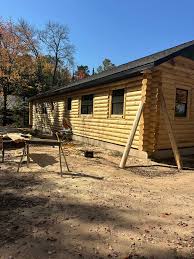 A practical set of steps to follow is crucial to efficiently building a log home. Start by making a list of must-haves, such as the number of bedrooms, bathrooms, home office, loft, misc. rooms, and room sizes. Set a budget to anchor your home’s size potential.
Select a building contractor you feel comfortable with from the three bids you accepted. Buy and assess your lot, understand the terrain, views, and zoning laws. Review the floor plans by examining small, mid-size, and larger examples to see what meets your needs and feels right.
Most homeowners use either pre-planned drawings, design their own, or hire an architect. The cost varies and must be taken into consideration in the overall budget. The trend today is building with pine log siding instead of full logs because it’s more cost-effective, faster, and sustainable. You save money on building materials, labor, transportation, and crane costs.
Unfinished Or Pre-Finished Log Siding And Flooring?
The recommended construction method in this article is building with pine log siding on the exterior and interior of your home. It’s faster and easier to use pine log siding instead of full logs, and you get the full log look without the full log price. The larger your home, the more money you save compared to full logs.
Wood log siding is installed on conventional wall framing, and with pine log siding you save time measuring, cutting, and joining the pieces. They come with the tongue and groove, end- matching design that allows you to end-butt pieces anywhere on or between wall studs. The three favorite options include quarter log, half log, premier D-log, with either a smooth surface or hand-hewn.
You can choose between unfinished siding that you or a painter will stain and pre-finished siding that is professionally finished in our facility. Pre-finished has these advantages:
- There are no runs or sags in the finished – it’s a perfect job.
- You don’t need to wait on the weather for it to dry – it arrives ready to install.
- There is no need to schedule and hire a painter.
- You won’t need to buy finishing materials or clean up the mess.
- You as the homeowner, can install unfinished or pre-finished pine log siding if you have woodworking knowledge and skills.
Finishing The Log Home Job
To finish your log siding home project, you will need log corners, trims, log fasteners, caulking, and stain. You or your contractor can order these materials from our websites. We also recommend knotty pine flooring and ceilings to complement the gorgeous log siding walls.
We hope this information is helpful for selecting the size log home for your needs. Our log home associates will help you decide which profile of siding meets your preferences and the amount needed for your plan.
Resources and References:




Recent Comments