
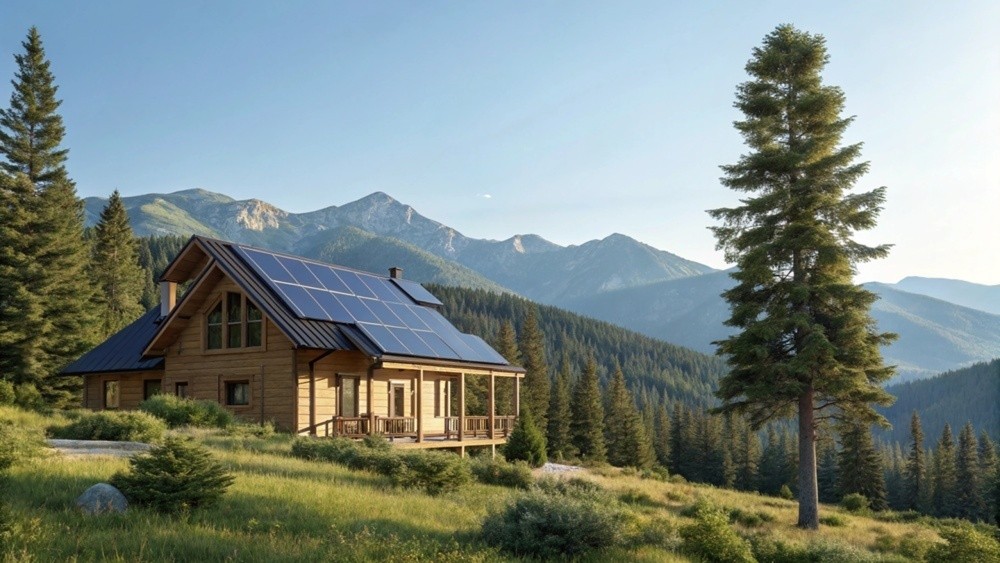
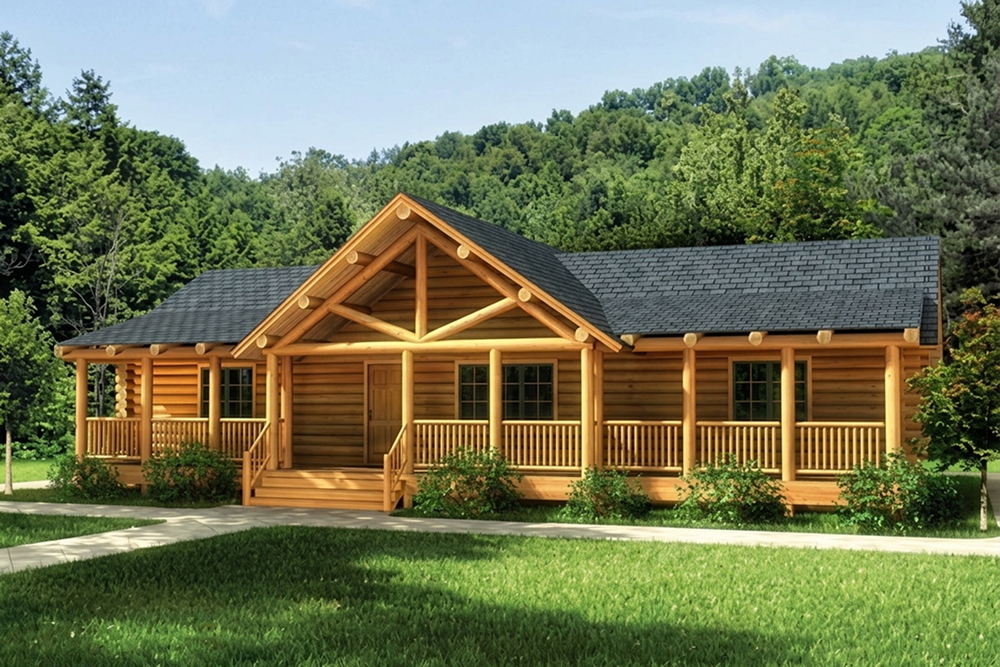
An off-grid log cabin offers pros like a sustainable, independent lifestyle, energy efficiency, and a connection to nature, but also has cons such as high initial costs for solar and water systems, significant maintenance, and potential isolation. Other challenges include managing off-grid systems, navigating regulations, and dealing with the unique maintenance needs of wood construction, like pest control and weatherproofing. Consider Both The Pros And Cons Before Committing To This Experience
Pros Of Off-Grid Log Cabins
There are many pros of living an off-grid log cabin experience. If you are contemplating this move in life, consider these positives:
- Independent lifestyle: You are not reliant on public utilities, which can lead to financial savings on bills and freedom from power outages.
- Sustainability: This lifestyle is often more environmentally friendly by reducing reliance on fossil fuels and lowering greenhouse gas emissions.
- Energy efficiency: Log homes can be very energy-efficient due to the natural insulating properties of wood, which can reduce heating and cooling costs.
- Connection to nature: These homes are often located in remote, natural settings, providing a close-to-nature experience.
- Durability: When properly built and maintained, log cabins are very durable and can last for generations.
- Practical skills: Living off-grid provides opportunities to develop and practice useful DIY skills related to home building and system maintenance.
Cons Of Off-Grid Log Cabins
You should also consider the following negatives when deciding whether or not to go off-grid. Pair them with the positives to make your choice.
- High upfront cost: The initial investment for setting up off-grid systems like solar panels, wells, and waste management can be substantial.
- Maintenance: Log cabins require ongoing maintenance, including sealing, staining, and potential re-chinking to protect the wood from weather and pests.
- Pest control: They can be susceptible to pests like rodents and insects that can damage the logs.
- Isolation: Being in a remote location can lead to isolation and limit access to amenities, emergency services, and the internet.
- Log-specific issues: Full Logs can shrink over time, which needs to be accounted for in the design to prevent issues with windows, doors, and pipes. This is a substantial reason why you should build with pine log siding to avoid this issue.
- Regulatory hurdles: Navigating zoning laws and building codes for off-grid construction can be challenging.
- Learning curve: Managing your own power, water, and waste systems requires a significant learning curve and ongoing adaptability.
Now let’s move on to what other off-grid cabin owners say about their experiences.
“Off-Grid Log Cabin Living Offers Both Pros And Cons. Consider Both Of Them Before Committing To This Experience.”
What Others Say About Off-Grid Log Cabin Living
 Off-grid log cabin owners say their experience is rewarding and satisfying, but it requires a lot of hard work, problem-solving, and ongoing maintenance. They value the freedom from utility bills and the self-sufficient lifestyle, but they also deal with challenges, such as the initial cost and the physical demands of maintaining their own power and water systems. Many owners use solar, wind, or propane for power and heat, and they’ve learned to do most of the work themselves.
Here are some helpful hints gained from off-grid homeowners’ experiences. Utilize online resources to learn necessary skills by watching videos on YouTube and accessing information online. Start small with a basic setup to manage costs and workload. Prioritize critical systems by installing reliable systems for power and water. Investing in a good battery system to store energy from solar or wind power is key for off-grid living. Be prepared for a long process because it can take years to complete a project, especially if you are living in the cabin at the same time.
How To Make The Decision
You should make this decision carefully by talking to both newcomers to off-grid living and those who have lived this lifestyle for many years. Conducting some research online will also help. To make good decisions, follow a logical process that includes identifying the problem, gathering information, and considering your options. Next, weigh the pros and cons, align choices with your values and goals, and think through the potential consequences. Finally, act on your decision, and then review its outcome to learn for the future.
- Define and Gather Information
Identify the decision: Clearly state the problem or decision that needs to be made.
Gather information: Collect all relevant facts and data, and identify any assumptions or unknown factors.
Define your goals and values: Clarify what you want to achieve and what your core values are to help guide the choice.
- Explore Your Options
Brainstorm alternatives: Generate a list of realistic and varied options to consider.
Weigh pros and cons: For each option, list the potential advantages and disadvantages.
Consider consequences and stakeholders: Think about the potential outcomes, both positive and negative, and who might be affected by each option.
- Make Your Choice and Act
Choose the best option: Select the option that best aligns with your goals and values, and that you believe you can live with.
Consider your intuition: If a decision is close, your gut feeling can be a useful factor.
Take action: Commit to your decision and take the necessary steps to implement it.
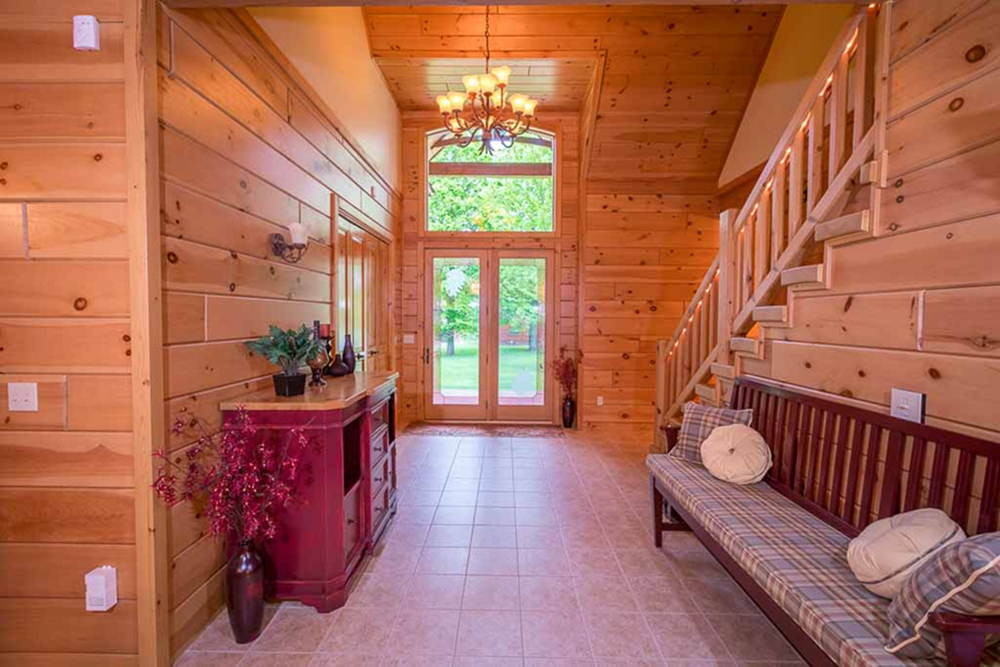
Helpful Hint: If You Do Go Off-Grid, Build With Pine Log Siding. It’s far easier, faster, and less expensive to build with tongue and groove, end-matching pine log siding than with full logs.

Recent Comments