
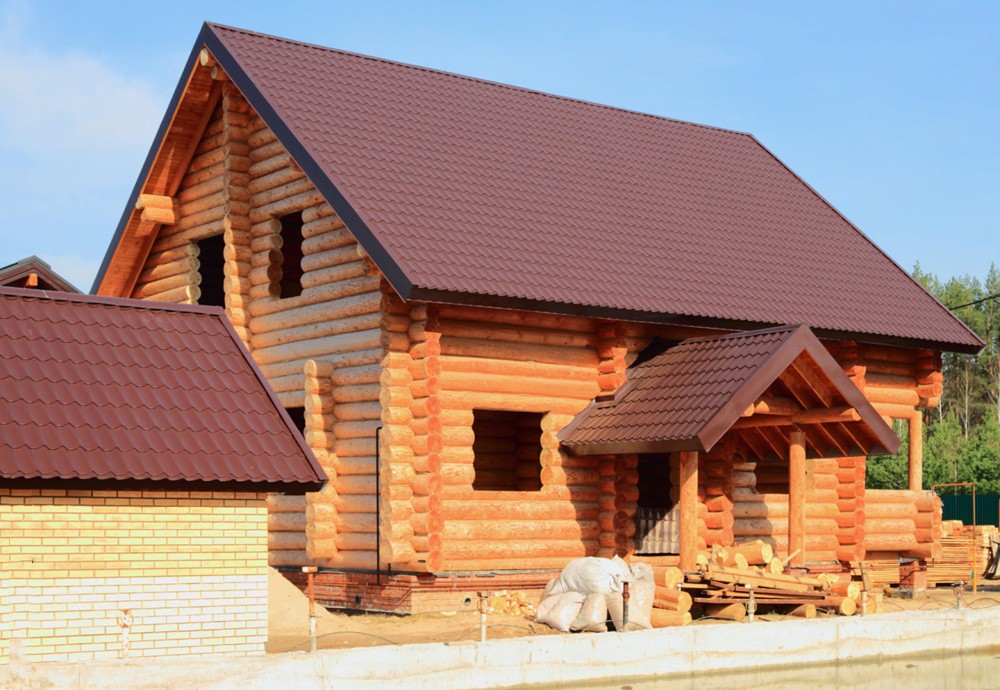
Pine log siding offers a cost-effective, durable, and easily installed alternative to full log construction, often costing 50%–75% less than woods like cedar or oak. While cedar or oak provides superior natural decay resistance, pine is lighter, generally sustainably sourced, and, when properly stained and sealed, provides a similar rustic aesthetic and durability with lower labor costs.
Current Uses And Popularity Of Pine Wood
 Pine wood is one of the most popular, versatile, and sustainable softwoods in current use, serving as a staple in residential construction, furniture manufacturing, and DIY projects. Valued for its affordability, rapid growth, and ability to be stained and sealed for durability, it is frequently used in both rustic and modern design contexts, including a significant resurgence in interior design.
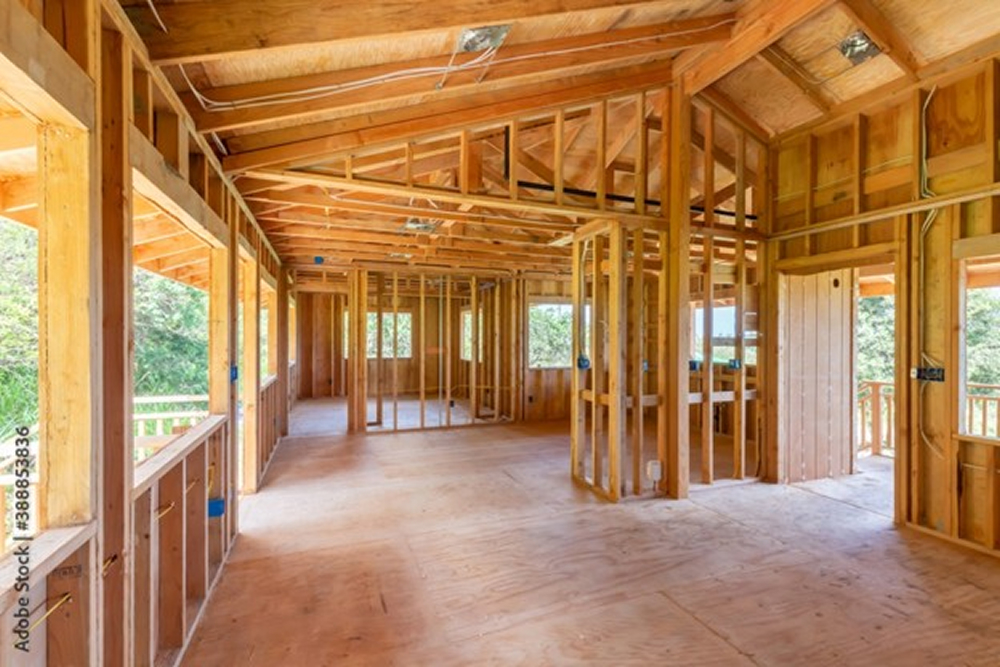
Pine is a dominant material in structural framing, accounting for a high percentage of 2×4 studding and trusses in new home construction. It is used for roof structures, joists, and sheathing. Reclaimed and new pine planks are used for warm, durable, and cost-effective flooring, particularly in rustic or Scandinavian-style homes.
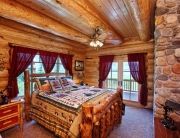
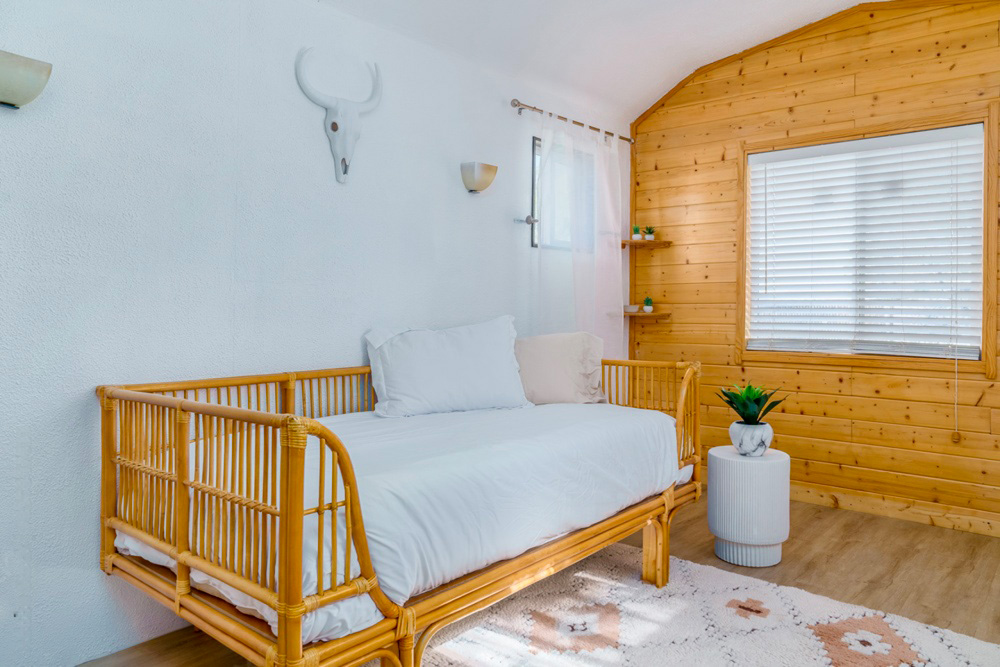
Tongue-and-groove pine planks (knotty pine) are commonly used for wall and ceiling paneling to create a “cabin” or rustic aesthetic. Due to its ease of shaping and painting, it is widely used for interior moldings, baseboards, and door/window frames. Pine is a staple in the furniture industry for making beds, tables, wardrobes, and cabinets. Its soft nature allows for easy customization, and it is frequently used to make “chunky” furniture that is in high demand.
When pressure-treated, pine is used for decks, pergolas, garden sheds, fences, and outdoor furniture. Its superior workability makes it the go-to wood for beginners and DIY enthusiasts, suitable for crafting, small shelves, and hobby projects. Lightweight pine is used extensively to produce shipping pallets, wooden crates, and packaging boxes. Pine pulp is a major component in the paper and pulp industry. It is also used in the production of furniture and for the extraction of resins used for turpentine and varnishes.
The “knotty pine” look of the 1960s and 70s has seen a comeback in Scandinavian and modern rustic interiors, often used to add warmth. Pine readily accepts stains, paints, and clear coats, allowing it to mimic more expensive woods or fit into modern, minimalist designs. Most of all, as one of the most cost-effective timbers available, it is ideal for budget-friendly projects.
Pine Log Siding Features
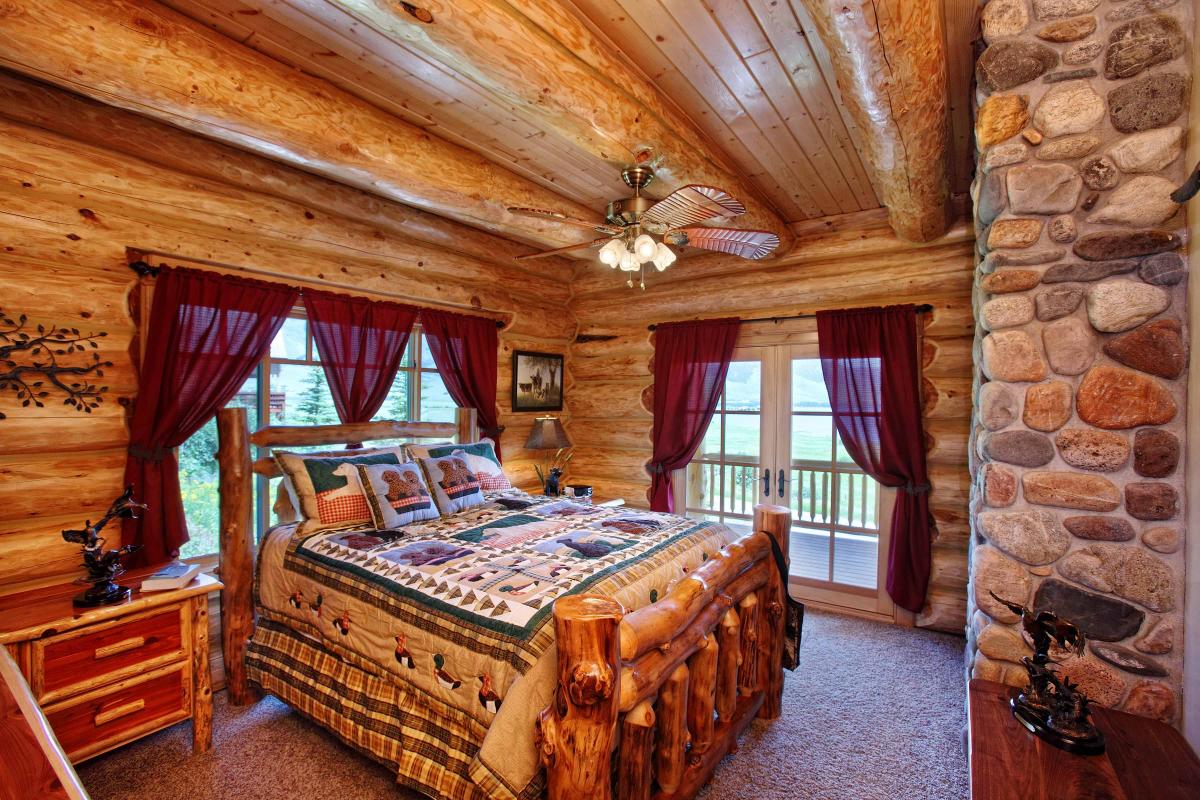
Pine log siding has some advantages over cedar or white oak log siding you can appreciate. Its popularity has sustained it over the years and continues to be a favorite for these reasons:

- Cost: The nationwide average cost per square foot for pine is $3.50 – $5.00, cedar is $5.50 – $13.00, and white oak is $11.00 and up.
- Availability: Readily available due to vast forests and tree farms.
- Installation: Lightweight, easy to handle, and commonly features tongue-and-groove end-matching for faster, low to no-waste installation.
- Maintenance: Requires staining and sealing as needed to prevent moisture damage, decay, and insects, as it is softer than hardwood.
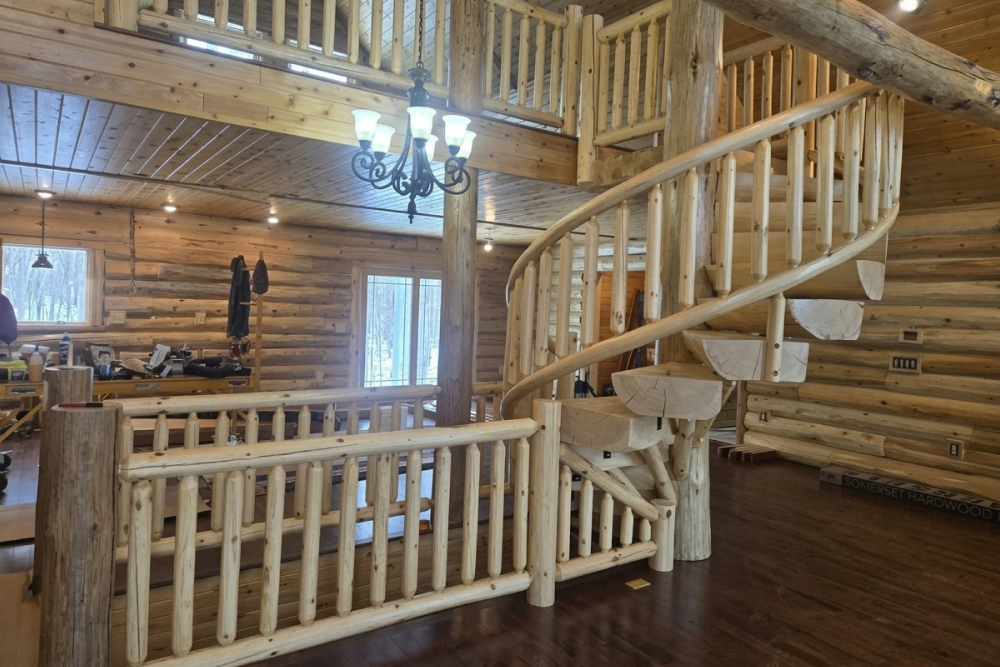
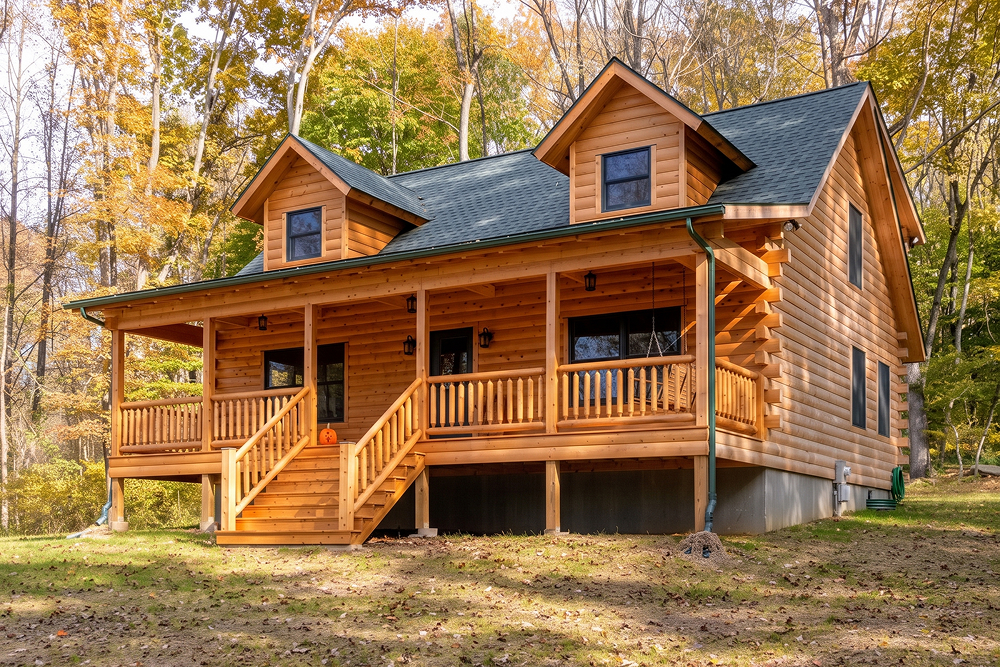
- Versatility: Excellent for both interior and exterior applications, providing a rustic, wood look for cabins, homes, and businesses.
- Sustainability: Pine is eco-friendly and sustainable because the siding can be sourced from forests and tree farms.
- Workability: Easier to saw, sand, drill, and work with tools than hardwood.
“Pine log siding offers a cost-effective, durable, and easily installed alternative to full log construction, often costing 50%–75% less than woods like cedar or oak.”
Cedar And White Oak (Hardwood) Log Siding
Cedar and oak log siding are good options to pine, but they carry some disadvantages you should consider. Think about the features of these two wood products for your home or cabin:
| Cedar | White Oak | |
| Cost: | $5.50-$13.00 per sq. ft. | $11.00 and up per sq. ft. |
| Availability: | Limited | Limited |
| Durability: | More moisture resistant | More moisture resistant |
| Installation: | Similar to pine siding, end-matching is available | Heavy to work with, may not have end-matching design |
| Maintenance: | Needs staining and sealing | Needs staining and sealing |
| Versatility: | Exterior and interior application | Exterior and interior applications |
| Sustainable: | Little, because trees are not generally replanted | Little, because trees are not generally replanted |
| Workability: | Easy to saw, sand, and drill | Harder to saw, sand, drill and install |
| Transportation Cost: | Typically the same as pine | Harder to saw, sand, drill and install Heavier wood and costs are typically higher |
Conclusion
When you compare the features of pine, cedar, and oak for log siding, pine is the clear winner for affordability, sustainability, and availability. We have the unfinished and pre-finished siding, corners, and trims to do the highest quality job. Our knotty pine paneling and flooring make super companions to pine log siding. Our associates will assist you plan your projects and fill your orders promptly.


Recent Comments