

Knotty pine is a favorite wood for making paneling and trims for home and commercial use. It’s been around for hundreds of years in America and Europe, and continues to see extensive applications. Tongue and groove (T&G) pine paneling is popular because it is affordable, readily available, and easy to work with.
Tongue and groove knotty pine paneling is made by drying pine lumber in a kiln, milling it to a uniform thickness, and using high-speed machinery to cut interlocking grooves on one edge/end and tongues on the other. The boards are typically planed, sanded, and end-matched for a tight, hidden-nail fit. Trims are manufactured by milling boards to length, width, thickness, and specific shapes.
What’s So Special About Knotty Pine Wood?
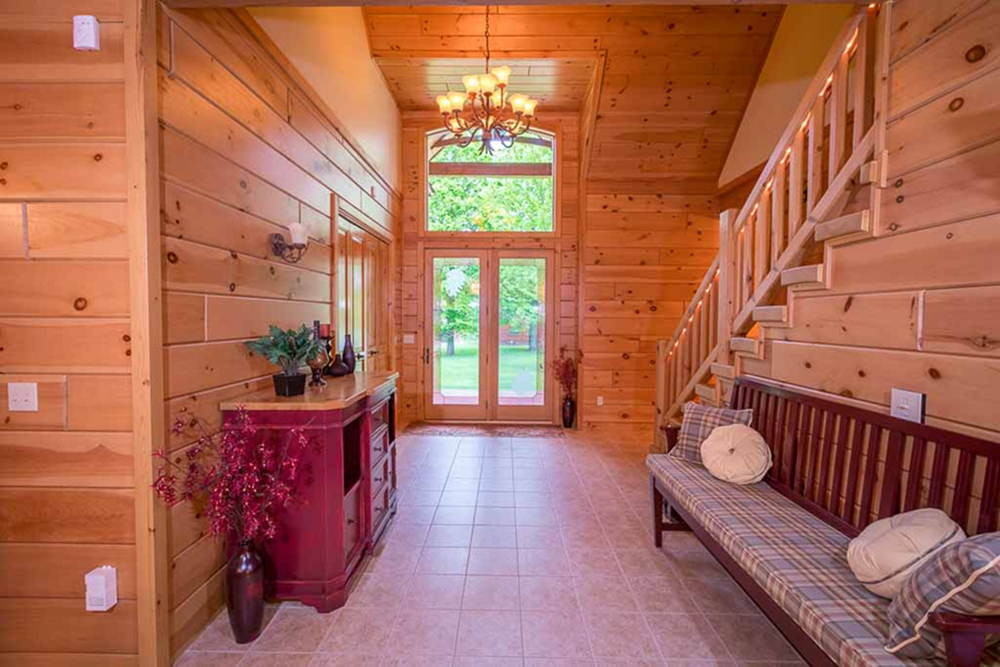
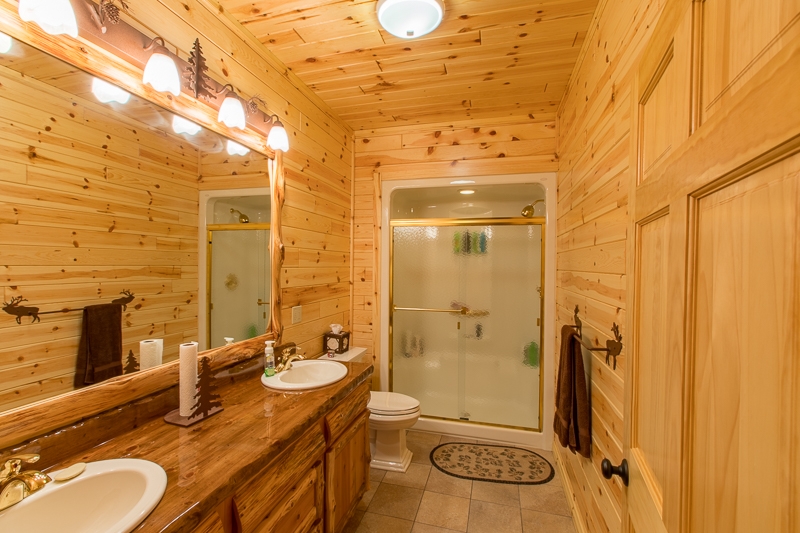 Knotty pine wood is one of the most commonly used woods for endless home and commercial projects. It is prized for its distinct rustic, cabin-style aesthetic, featuring natural, dark knots against a lighter wood grain that brings warmth to interiors. It is highly popular due to its affordability, durability, and ease of installation (especially tongue-and-groove styles), making it ideal for walls, ceilings, and furniture.
Knotty pine paneling and trims are currently used in many home styles from rustic to traditional to modern. This type of wood exudes a charming, cozy look, and feel. It is a highly cost-effective alternative to hardwood, with many products sourced from sustainable tree farms. It can be used for flooring, wall paneling (horizontal, vertical, or diagonal patterns), ceilings, cabinets, and furniture.
When properly kiln-dried (typically to 7-12% moisture content), knotty pine is stable, resists warping, and can last for generations. As a softwood, it is easy to cut, shape, and stain, allowing for customization. Knotty pine has many home applications, such as wall paneling, ceiling paneling, rustic furniture, kitchen islands, tables, trims, moldings, and accents.
Making Tongue And Groove Knotty Pine Paneling
Tongue and groove knotty pine paneling is milled in today’s factories with the most advanced woodworking machinery and craftsperson’s skills. Its production process details include:
- Kiln Drying: Rough pine boards are kiln-dried to a specific moisture content to prevent warping and shrinkage, ensuring stability and improved staining capacity.
- Planing and Dimensioning: The boards are passed through a planer to ensure they are the same thickness, usually around 3/4 inch.
- Milling T&G Profile: Specialized machinery or a router with a tongue and groove bit set is used to create the interlocking profile along the edges.
- End-Matching: Modern, high-quality paneling includes T&G on the ends as well, allowing joints to be made between studs rather than just on them.
- Finishing: The panels may be left raw or pre-finished with stains and lacquer, often with added V-grooves for a rustic appearance.
- Quality Control: The wood is checked to ensure consistent, tight-fitting joints that allow for thermal expansion/contraction, and a defect-free condition.
(The Woodworkers Shoppe in Michigan is noted as a primary manufacturer that standardized the T&G end-matching system.)
“Tongue and groove (T&G) pine paneling is popular because it is affordable, readily available, and easy to work with.”
How Knotty Pine Trims And Moldings Are Made
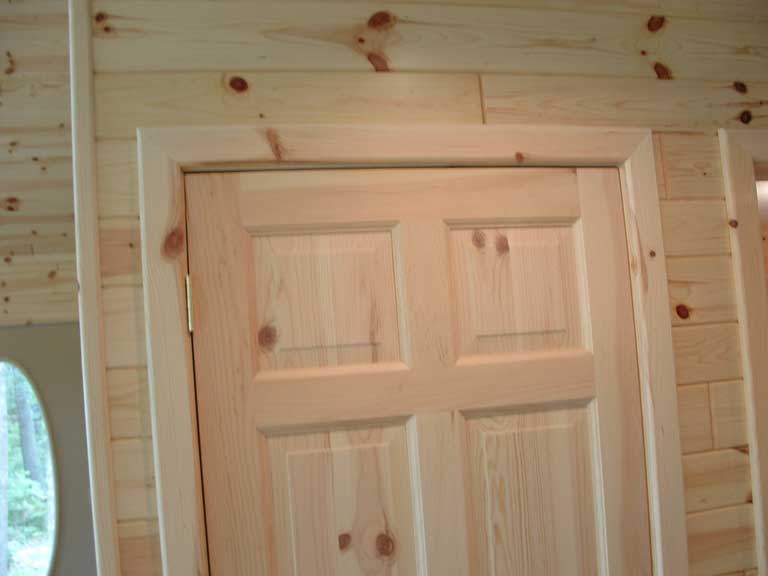 Knotty pine trims and moldings are manufactured from solid, kiln-dried pine boards, typically sourced from red or white pine, which are cut to size, then passed through high-speed molders to shape profiles like baseboards or crown molding. The process involves selecting wood for its characteristic knots and milling it for consistency and accuracy. Key production steps include:
- Selection and Drying: High-quality pine is selected for its unique knots and grain, then kiln-dried to remove moisture, which prevents warping and ensures stability.
- Milling and Profiling: The dried boards are run through a molder machine, which uses specialized knives to shape the wood into specific profiles, such as crown, baseboard, or casing.
- Quality Control: The wood is checked to ensure consistency and accuracy in its size standards and defect-free condition.
- Finishing: Products can be left unfinished or pre-finished with stain or sealers to protect the wood and enhance the rustic, cabin-style aesthetic.
This manufacturing process ensures that the resulting trims are durable, hold their shapes, and showcases the natural beauty of the pine knots.
A Word About Quality
The best quality knotty pine paneling and trims are not typically found in big box stores or lumber stores, yet you may pay premium prices for them. The WoodWorkers Shoppe ships them to you in a defect-free condition because each piece is hand-inspected by experienced wood experts. Each piece of paneling and trim is kiln-dried to the correct moisture content for stability, durability, and staining. We offer high-quality products in both unfinished and pre-finished conditions to meet your needs. Review our website, and you will be pleasantly surprised at our quality and prices.

Recent Comments