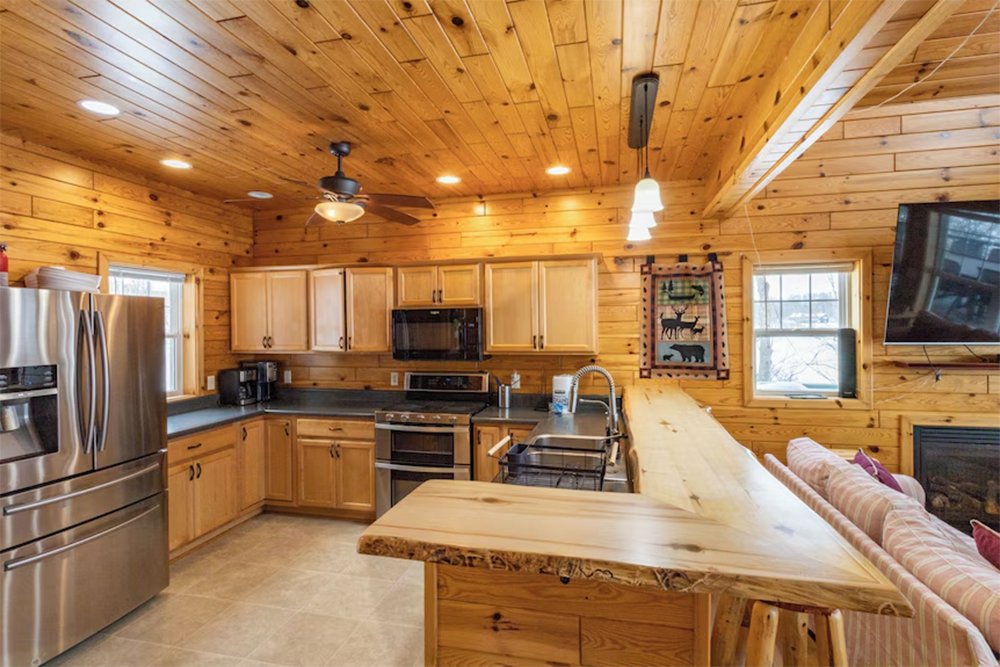
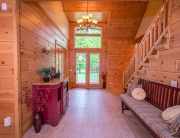
Knotty pine paneling has a timeless appeal that can make a kitchen feel warm, inviting, and full of character. With its distinctive knots, natural grain, and honey-toned coloring, pine brings an organic element to both traditional and contemporary interiors. While it has long been associated with cozy cabins and rustic homes, today’s kitchen designs show that knotty pine can work beautifully with a wide range of styles.
Whether you want a full wood-paneled kitchen or simply a subtle accent, there are plenty of creative ways to incorporate knotty pine into your space. Here are some gorgeous ideas to inspire your next kitchen makeover.
Make Knotty Pine Paneling Work in a Contemporary Kitchen
Knotty pine wall paneling doesn’t have to mean old-fashioned. In a contemporary kitchen, it can provide an appealing contrast to sleek surfaces and minimalist architecture. Try natural pine alongside flat-panel cabinets, integrated appliances, simple hardware, and understated lighting. Keeping the rest of the room visually clean allows the texture of the wood to stand out. This combination of rustic material and modern design is one of the most effective ways to give a kitchen a distinctive personality.
Choosing the right finish for knotty pine wall paneling is critical for your décor. The finish you choose can significantly change the appearance of knotty pine. A clear finish preserves its natural color, while stains can deepen or alter the tone. Whitewashing creates a lighter, more relaxed appearance, and special stains of your choice can give the paneling a completely different character. If you want to save time and work, purchase pre-finished pine paneling.
Try A Knotty Pine Paneling Pantry
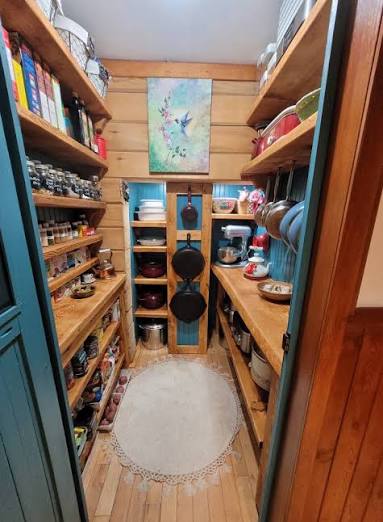 Everyone needs a pantry, and its size depends on why you are using it. From everyday food, spices, utensils, small appliances, dish cloths, to stored food, they are handy.
- Pine paneling can be used to create the sides, front, and bottom.
- The pantry door complements the wall paneling.
- The interior walls can be paneled horizontally or vertically.
- Build shelves, hooks, or containers for storing items.
- The interior color can complement or contrast with the door and kitchen walls.
Pine Ceilings Provide Warmth
If covering your kitchen walls in wood feels like too much, look upward. A knotty pine ceiling can add architectural interest while keeping the walls and cabinetry relatively neutral. This idea works particularly well in kitchens with high or vaulted ceilings. The wood creates a cozy atmosphere and can make a large open kitchen feel more intimate.
For a lighter appearance, choose a clear, whitewash, or lightly tinted stain finish that allows the natural grain to remain visible. White or pale walls can provide a pleasing contrast in a kitchen. The ceiling panels can run parallel to the longest walls or at a 90-degree angle to them.
Backsplashes Can Be Creative And Functional
A knotty pine backsplash can be an unexpected alternative to ceramic tile, stone, or glass. It works especially well in kitchens where warmth and texture are more important than a highly polished appearance. For a cohesive design, coordinate the backsplash with open wood shelving or a butcher-block island.
Because kitchens are exposed to moisture, grease, and frequent cleaning, the wood should be properly sealed and finished for the environment. Keep the paneling away from areas where excessive heat or direct water exposure could create problems and follow the finishing product manufacturer’s recommendations.
Today’s kitchen designs show that knotty pine can work beautifully with a wide range of styles.”
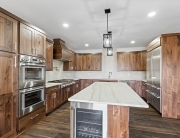
Add Knotty Pine to a Kitchen Island
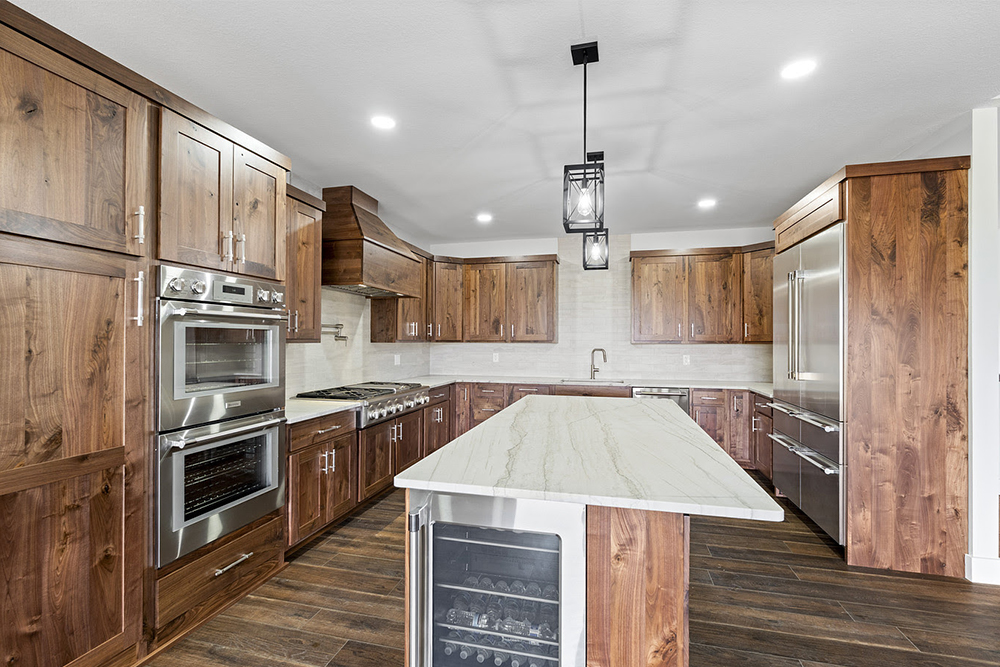
You don’t need to panel every wall to make a statement. Covering the sides of a kitchen island with knotty pine is a practical way to introduce natural texture. A pine-clad island can become the centerpiece of most kitchens. Here are some popular suggestions:
- For a more contemporary appearance, combine the wood with a smooth stone countertop and modern stools.
- You can also stain the pine a slightly darker shade to distinguish the island from the surrounding cabinetry.
- A sink and faucets can be mounted in the island to contribute to food preparation.
- Open shelving, drawers, or shelving with doors add storage space to an island.
- Extending the countertop creates space for stools and dining.
Create a Cozy Breakfast Nook
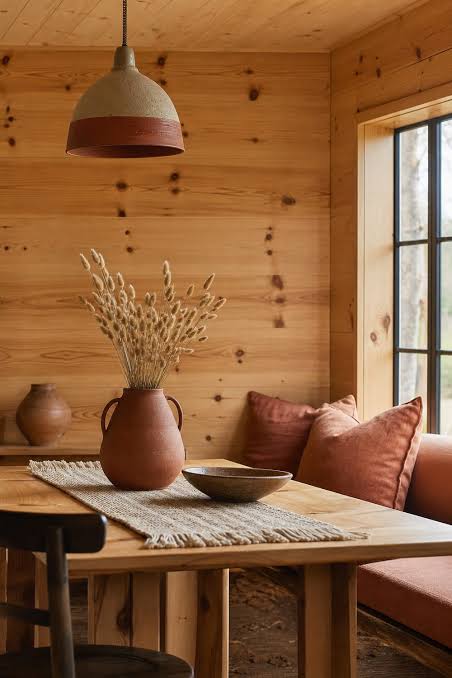 Knotty pine is an excellent choice for a breakfast nook because of its naturally welcoming appearance. Panel the wall behind a built-in bench or use pine on the surrounding walls to define the space. Everyone will look forward to eating there or having their morning coffee.
Add a wooden table, comfortable cushions, pendant lighting, and a few plants for a relaxed corner that feels separate from the main kitchen. A breakfast nook is especially appealing in open-concept homes where subtle changes in wall treatments can help distinguish different functional areas.
Combine Pine With Stone Countertops
Wood and stone create a natural partnership in kitchen design. The organic grain of knotty pine can soften the harder appearance of quartz, granite, marble, soapstone, concrete, or other stone surfaces.
For a balanced design, consider warm pine paneling with a light countertop, or pair a darker countertop with honey-toned wood. Repeating natural materials throughout the room helps the combination feel intentional.
Keep the Rest of the Kitchen Balanced
The secret to successful knotty pine kitchen design is balance. Because the wood has a strong natural pattern, too much of it can dominate the room. If you have heavily patterned pine walls, consider simpler cabinetry and countertops. If the cabinets are visually bold, use pine as a smaller accent. Mixing smooth surfaces with textured wood can create a kitchen that feels layered rather than cluttered.
Lighting also matters. Warm lighting can enhance the golden tones of pine, while cooler or brighter lighting can give it a fresher appearance. Knotty pine paneling offers far more versatility than its traditional cabin reputation might suggest. It can bring rustic charm to a farmhouse kitchen, warmth to a modern space, character to a cottage interior, or a natural touch to a contemporary design.

Recent Comments