
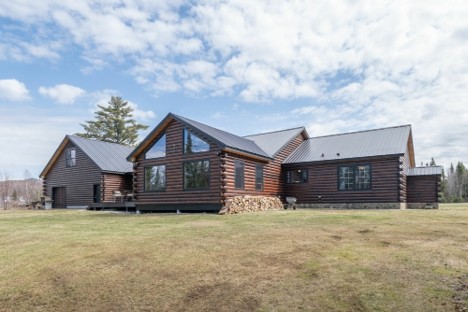
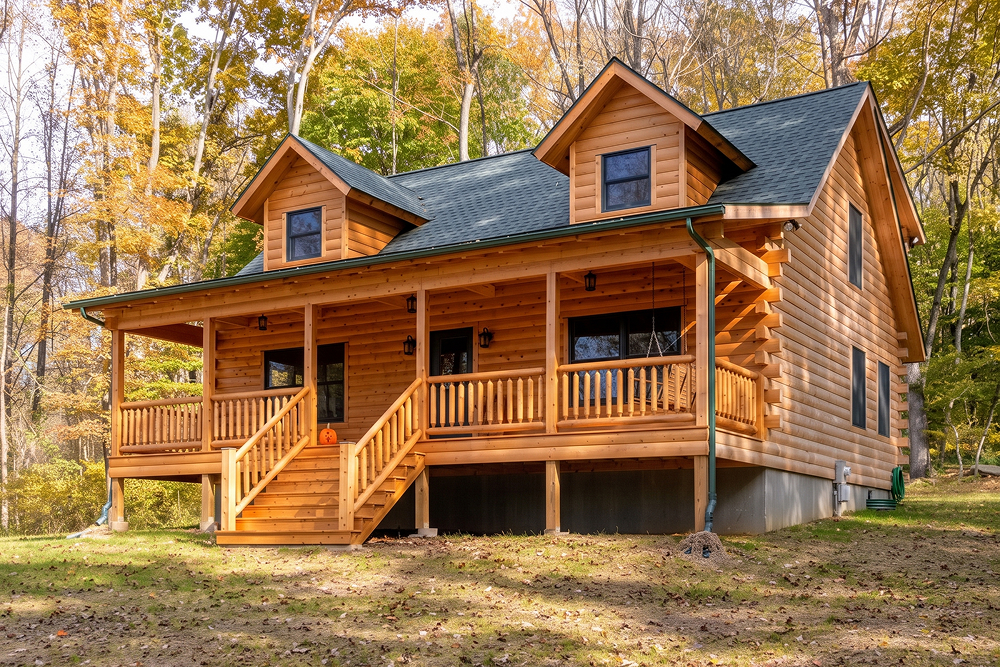
You have options when building a log home or cabin, including two popular ones – pine log siding, and a log home kit. Building a log siding home typically relies on installing wood pine siding on standard stick framing. The rest of the home or cabin is constructed essentially the same way as conventional houses. In contrast, building with a full-log cabin kit involves assembling pre-cut, solid-wood logs, and other materials. Choosing between the two depends on your budget, timeline, worker skills, and the true log lifestyle.
Log Siding Home Versus Kit Construction And Labor
 To begin making a decision between the two options, consider the construction methods and labor involved. They both require hiring a contractor, but with some differences, including:
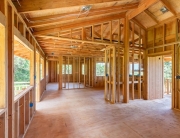
- Log Siding Home: Because it’s built on standard framing, any qualified carpenter can erect the walls quickly. The siding is lightweight, installs with oly log fasteners, and does not require heavy machinery or cranes. This method is easy to understand and erect with typically no misunderstandings about materials and labor. Pine log siding can also be purchased in a pre-finished condition.
- Log Home Kit: You will receive pre-cut, pre-labeled sections that assemble reasonably fast, often enclosing the home in a matter of days or weeks. However, stacking solid logs requires heavy equipment like a crane, a crane operator, and specialized labor to ensure the logs fit together snugly. If something is missing or damaged, it must be duplicated locally which delays the building process. Another issue is protecting the materials from the elements during the entire construction so they won’t become damaged or useless.
Read what some people say about these kits.
Home Settling And Maintenance
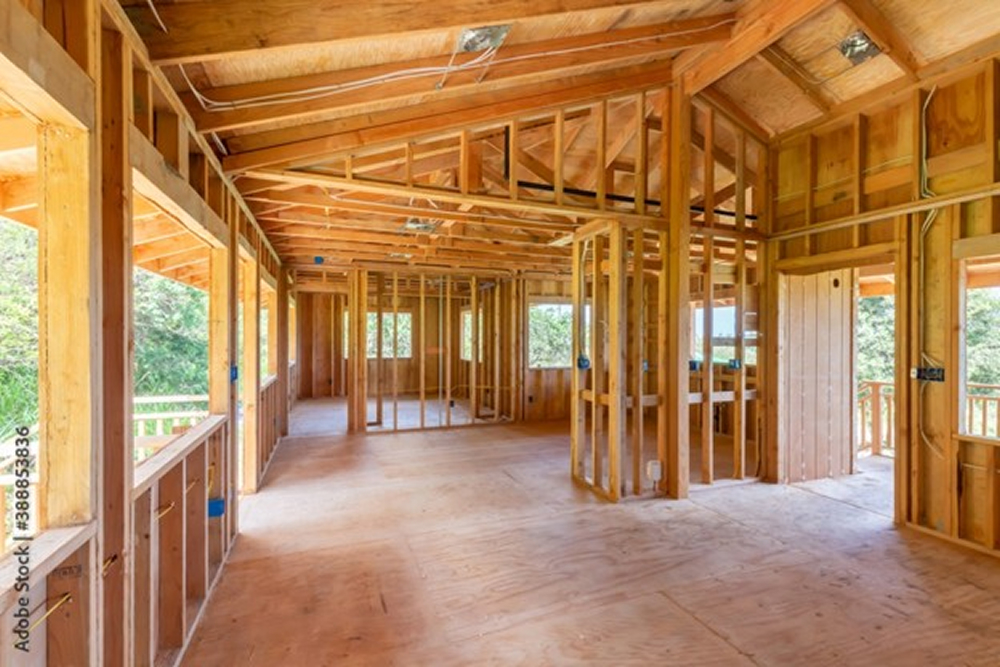
Log siding home construction involves wood siding attached securely to a framed wall. It does not shrink, shift, or settle like full logs do. Additionally, wiring and plumbing can easily be hidden within the stud walls like any conventional home. The log siding is stained and sealed upon initial construction and repeated every 4-6 years based on the product manufacturer’s guidelines and your climate.
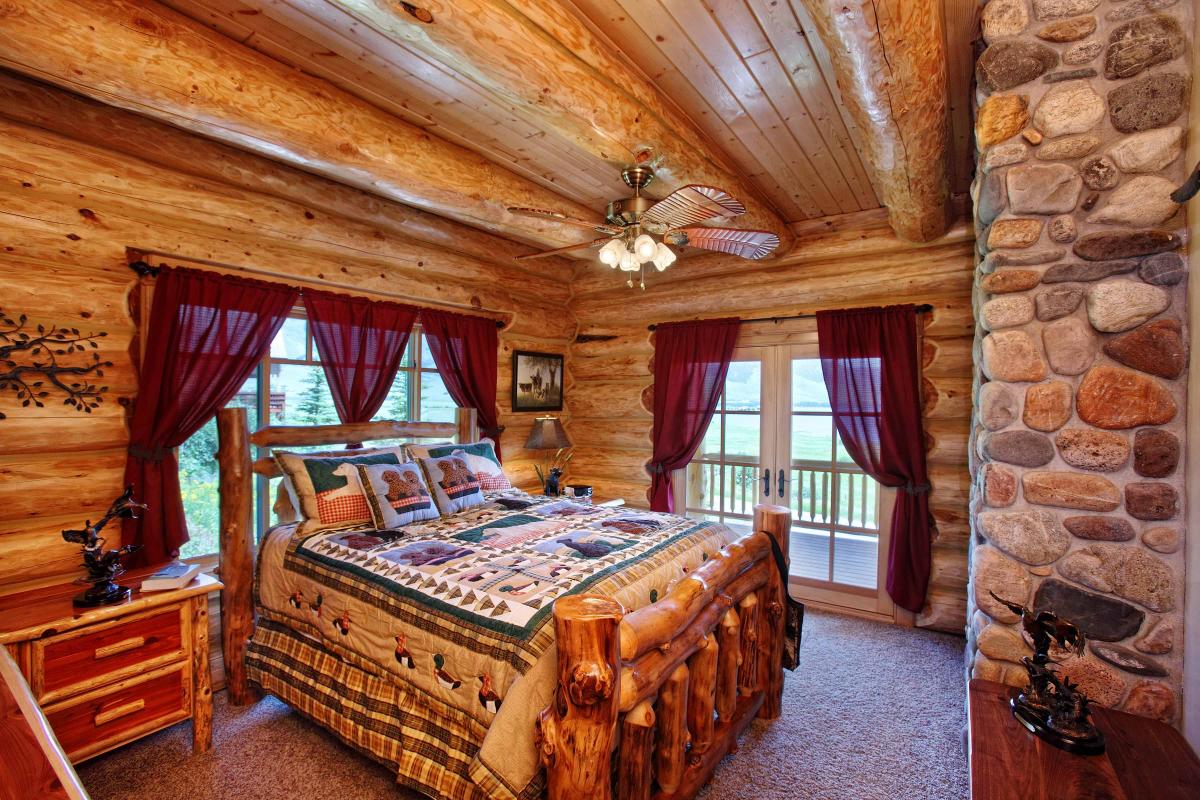
With a log cabin kit, solid logs retain moisture, adjust to local humidity and temperature, causing them to shrink as they dry. Builders must allow space for the walls to settle (which can happen over 5 to 10 years), making it necessary to adjust windows, doors, and pipes over time and recaulk. The logs must be stained and sealed when erected and repeated every 4-6 years or more often if necessary.
“Building a log siding home typically relies on installing wood pine siding on standard stick framing.”
Log Siding Home Energy Efficiency And Design Versus A Kit
 Your preferences for energy efficiency and home design must be top priorities. A simple way to look at these two concepts includes:
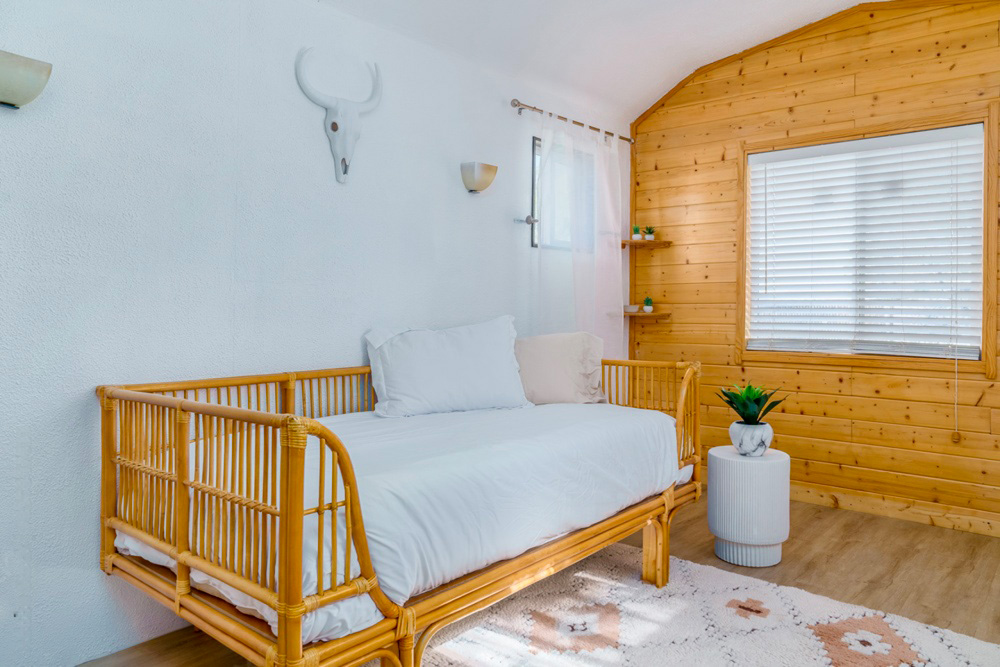
- Log Siding Home: Siding is layered over OSB boards and thick insulation, often yielding higher, more reliable R-values than traditional vinyl, metal, or fiber cement walls. The energy efficiency can be enhanced by building with 2×6 wall framing instead of 2×4 framing because they hold more insulation. Log siding also allows you to finish the interior walls with knotty pine paneling or painted drywall for a modern or bright finish. You can create your own design and floor plan with this material, and you are only limited by your creativity. The home design can even be modified during construction, but not with a log home kit.
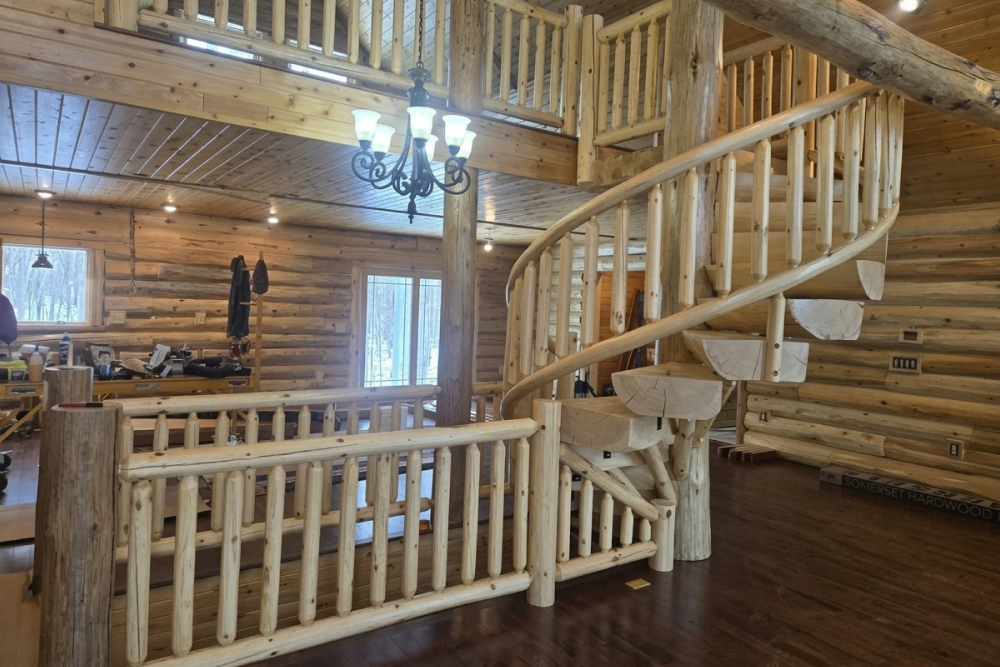
- Log Home Kit: While wood has natural thermal mass, solid log walls can be more challenging to insulate. Furthermore, many people feel that full-log interiors are too dark, though purists love the authentic, exposed wood appearance. A kit does not allow you to make changes in the design and floor plan. Kit designs are much more limited than creating your own plans, which is a significant disadvantage.
Log Siding Homes Versus Log Home Kit Costs
Log home upfront material costs for pine log siding are generally much lower (often $8–$15 per square foot). Labor costs are also vastly cheaper because the home utilizes conventional building methods and labor. Homeowners with basic woodworking knowledge and skills can install log siding, log corners, external, and internal log trims which can save a lot of money.
The structural log materials themselves for a log home kit are more expensive. While building a shell kit can sometimes range from $50 to $150 per square foot, labor, equipment, and finishing costs can quickly add up if you hire out.
If you are looking for a highly customizable home with lower initial and long-term maintenance, a log siding home is highly practical. If you desire the authentic durability and rustic charm of stacked full logs, a log cabin kit may suit you better.
Need A Reliable Log Siding Home Supplier?
The WoodWorkers Shoppe is America’s leading log home material supplier. We supply the highest quality log home building materials at fair prices, including:
| Pine Log Siding | Knotty Pine Flooring |
| Pine Log Corners | Interior Pine Trims |
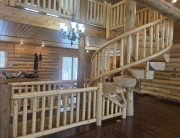
| Pine Log Trims | Stair Railings and Steps |
| Oly Log Fasteners | Peeled Pine Logs |
| Log Stain | Pine Roof Trusses |
| Log Caulking | Pine Beam Covers |
| Pre-Finished Log Siding | Kitchen & Bath Cabinetr |
| Knotty Pine Paneling | Half-Log Mantels |
| Pre-Finished Paneling | Cedar Log Siding And Paneling (when available) |
In summary, as you can see after reading this comparison, building a pine log siding home or cabin is simpler and faster than assembling a complicated log home kit. Any local qualified construction contractor can build your house.


Recent Comments