
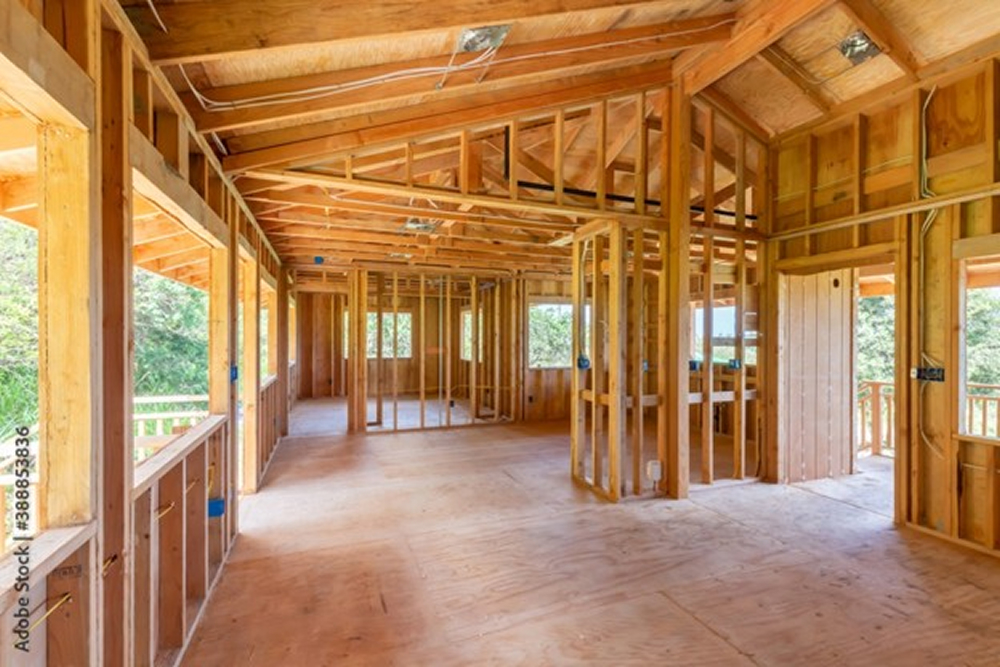
If you are contemplating building a log siding home, one of the first things you should decide is the thickness of the walls. Standard 2×4 wall framing works well in warm and mild climates. If you live in a colder climate, think about the advantages of thicker walls with more insulation, the best external wall sheathing, and advanced house wrap materials. Built for your climate, the wall thickness can help control heating and cooling costs as well as the comfort level. Let’s explore this idea more.
Pine Is The Best All-Around Wood For A Log Siding Home
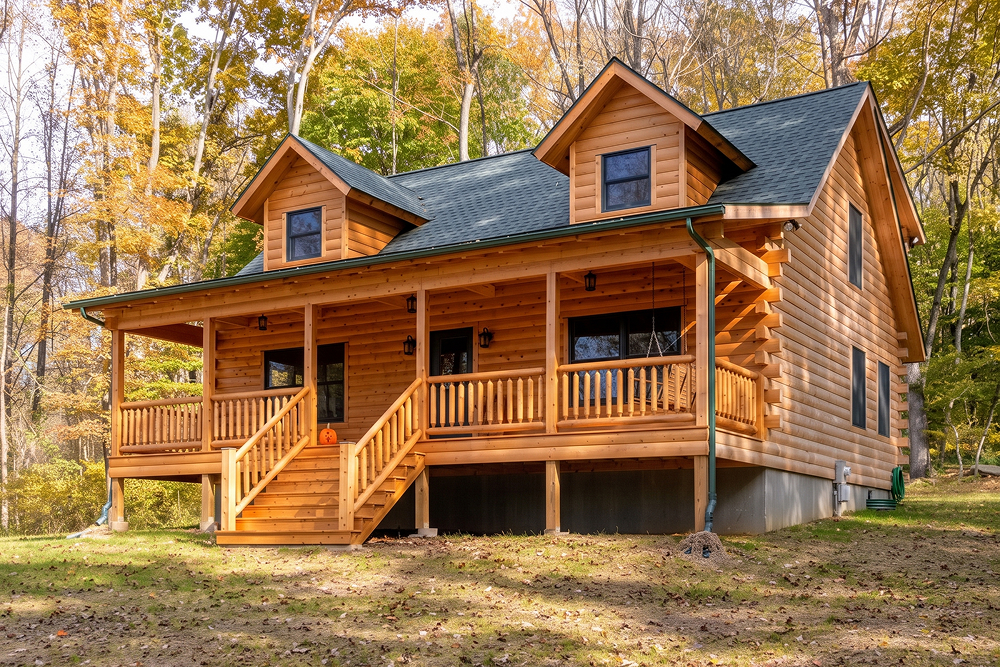
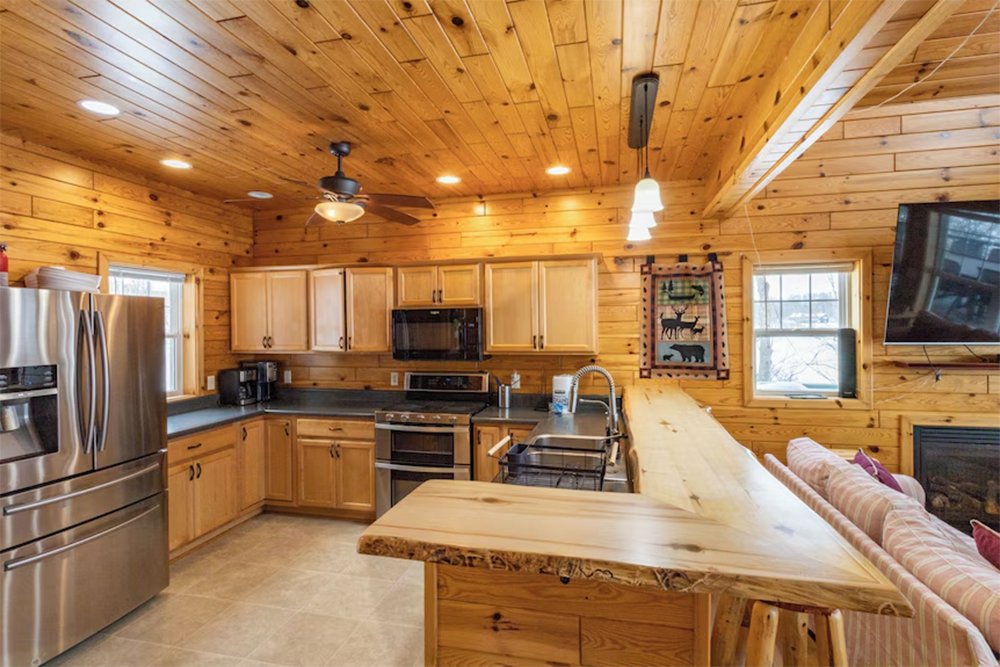
Pine log siding is a great choice for the exterior and interior walls of a log home. It is a durable product with the look and feel of full logs. It has many advantages over full log construction and other synthetic materials, including:
- Faster and easier installation with tongue and groove, end-matched log siding.
- The material and labor cost savings are huge.
- Pine log siding is virtually a “no-waste” eco-friendly product.
- Any contractor can do the job – no need to hire specialized workers.
- Pine log siding is available year-round to meet your building schedule.
- Homeowners with woodworking knowledge and skills can install log siding.
- Limited use of a crane and crane operator.
- There’s no need to chink between siding. Just caulk in a few places as needed.
- Three profiles are available to meet your budget.
- Pine log siding is available in unfinished and pre-finished conditions.
Wall Framing Thickness Is Important
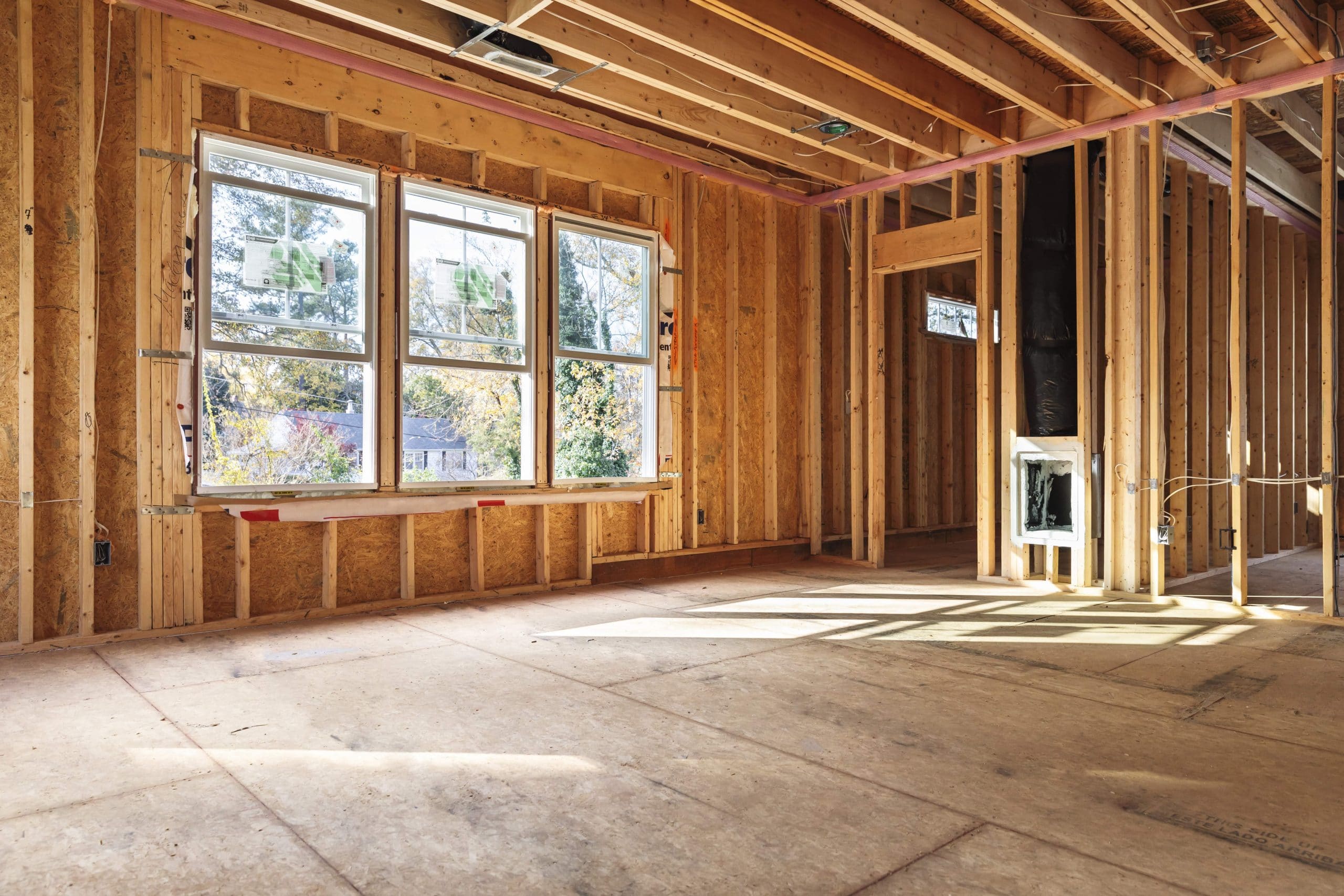 The universal thickness for conventional home and cabin wall framing is 2”x 4.” Filled with high R-value insulation, this size works well in warm and mild climates but not so well in colder areas. Some areas in the continental U.S. reach 40 to 50 degrees below zero during winters. This bone-chilling weather calls for thicker walls and more insulation.
Cold climates can be tamed somewhat by building with 2”x 6” wall framing. The 50 percent more insulation can make a huge difference. If you can build it into your overall budget, some people use 2”x 8” or double 2”x 4” walls. These two sizes are a bit extreme but will keep your home warmer with less energy usage.
“One of the first things you should decide is the thickness of the walls.”
Wall Sheathing And House Wrap Choices
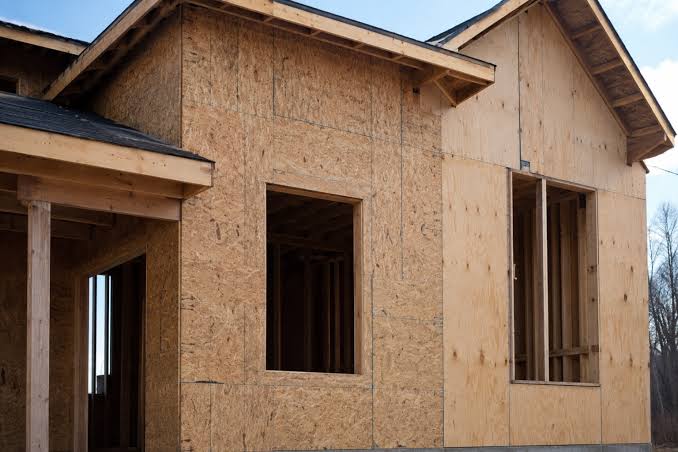 Wall sheathing and house wrap are available in several thicknesses and materials to meet your needs and specifications. Choosing the right exterior wall sheathing and house wrap products provide your home with structural integrity, moisture control, and energy efficiency. Sheathing attaches directly to wall framing to provide shear strength, a nailing base, and a rigid backing for securing pine log siding.
- Oriented Strand Board (OSB): The most common and budget-friendly choice (around $12 to $20 per 4×8 sheet). Standard OSB provides great strength, but it swells or rots if exposed to prolonged moisture without a barrier.
- Plywood: A traditional, highly durable choice. It costs more than commodity OSB, but handles moisture better and offers superior drying potential.
- Integrated Sheathing Systems (e.g., ZIP System): An engineered wood panel with a built-in water-resistive and air barrier. You install the boards and tape the seams, eliminating traditional house wrap for a fast “two-in-one” installation. Advanced versions like ZIP-R also add continuous rigid foam insulation on the back.
- Gypsum or Glass Mat Sheathing: Fire-resistant and dimensionally stable, often used in commercial or multi-family construction rather than standard single-family residential walls.
- Board Sheathing: Traditional diagonal wood boards. It offers high breathability and strength, but is very labor-intensive and expensive.
If you use standard OSB or plywood, you need a separate water-resistive house wrap barrier over the exterior to stop bulk water while letting vapor escape, such as:
- Polymeric/Faced House Wrap (e.g., Dupont Tyvek House Wrap): A breathable, non-woven sheet that stops liquid water and air drafts while allowing trapped indoor moisture to escape. Typical rolls cost between $66 and $130 depending on size.
- Woven House Wrap (e.g., Lowe’s Woven House Wrap): Made of cross-woven polyolefin. It offers high tear resistance and UV protection for extended exposure times on job sites, usually running around $37 to $118 per roll.
- Self-Adhered or Fluid-Applied Membranes: Rolled-on or sprayed-on waterproof membranes that create a monolithic, highly airtight seal directly on the sheathing.
Insulation Considerations For A log Siding Home
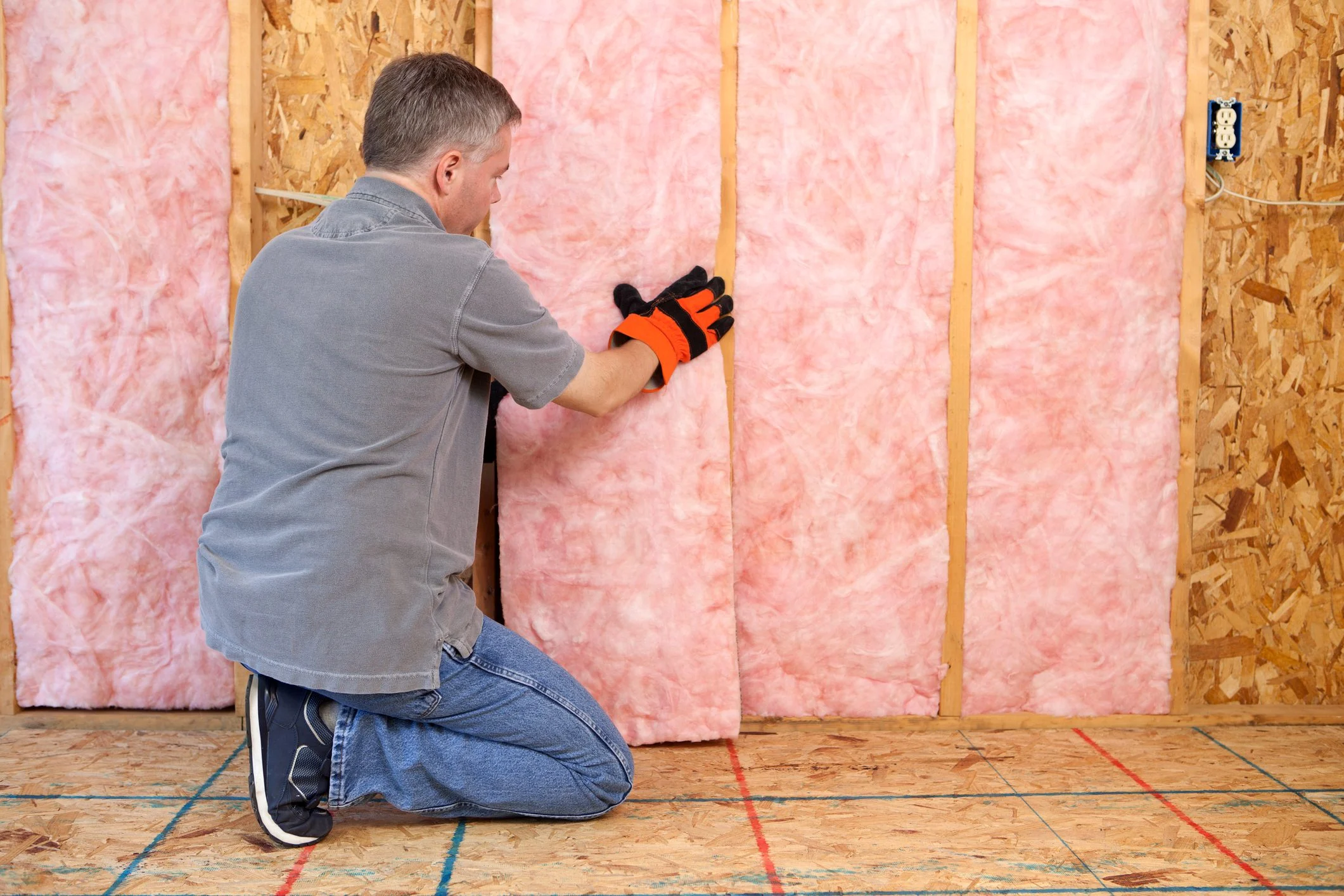
Filling the walls full of insulation is preferred over partial filling (thickness) for year-round comfort and less expensive heating and cooling bills. The most common types of log siding home insulation with pros and cons include:
| Type | Pros | Cons |
|---|---|---|
| Spray foam | Excellent air sealing | Most expensive type upfront |
| Highest R-value per inch | ||
| Prevents drafts & moisture | ||
| Fiberglass batts/rolls | Budget-friendly | Lower R-value than foam |
| Widely available | Air leaks if poorly fitted | |
| Easy for DIY installation | ||
| Mineral Wool | Fire-resistant | Heavier than fiberglass |
| Great sound dampening | Harder to cut than fiberglass | |
| Water-resistant | ||
| Rigid foam board | High thermal resistance | Must be cut to exact size |
| Stops exterior thermal bridging | Cover with thermal/fire barrier | |
| Cellulose | Eco-friendly recycled paper | Can settle over time |
| Great soundproofing | Susceptible to moisture damage | |
| Fills odd cavities when blown in |
Pine log siding is available in three different thicknesses – quarter log, half log, premier-D – and the amount of wall insulation you need can vary with each one. Consult with your contractor and our log siding experts to determine the best match.
We hope these ideas about the best wall thickness for your log siding home or cabin are helpful for making decisions about building materials. Explore our website for all our log home products.


Recent Comments