

Yes, log siding homes are suitable for hot, humid climates with proper treatment, ventilation, and maintenance to manage moisture and prevent issues, such as rot and pests. Stained and sealed red pine wood is a great choice for log siding homes, and good insulation and wider roof overhangs help keep them cooler, drier, and energy-efficient.
Log Siding Homes In Hot And Humid Climates
Hot and humid climates primarily exist in the southeastern quarter of the United States, although it can sometimes reach this level in other areas. Wood log siding provides these pros:
- Energy Efficiency: Log walls’ thermal mass absorbs and releases heat slowly, keeping interiors cooler in summer, reducing AC costs.
- Natural Insulation: Log siding provides good R-value, especially building with 2×6 wall framing, contributing to lower utility bills.
- Moisture Resistance (with proper wood): Red Northern pine siding that is stained and sealed well repels moisture. Cedar, with its natural oils, is naturally resistant to insects and moisture, making it ideal (when it is available).
- Fast and Easy To Build: Homes are built faster with tongue and groove, end-matching log siding compared to full logs. This method reduces the chance of rain entering joints during construction. Find out why real wood log siding is better than synthetic material.
Key Considerations And Maintenance
Log siding homes are a growing trend in America, providing the advantages of the full log home look without the full log price. Anyone planning to build a log siding home should keep some essentials in mind. Wood choice is a primary concern, with pine, cedar, and cypress among the most popular selections. Cedar and cypress sidings are effective in hot and humid climates for their natural insect and moisture repellents. Their cons are higher costs and limited availability in most areas.
Red (also called Northern pine) is the most cost-efficient choice, and with proper sealing and staining holds up well in any climate. Sealing and staining as necessary are crucial for protection to keep the wood from fading color and staying moisture-resistant. As on option, installing pre-finished log siding ensures professional wood protection.
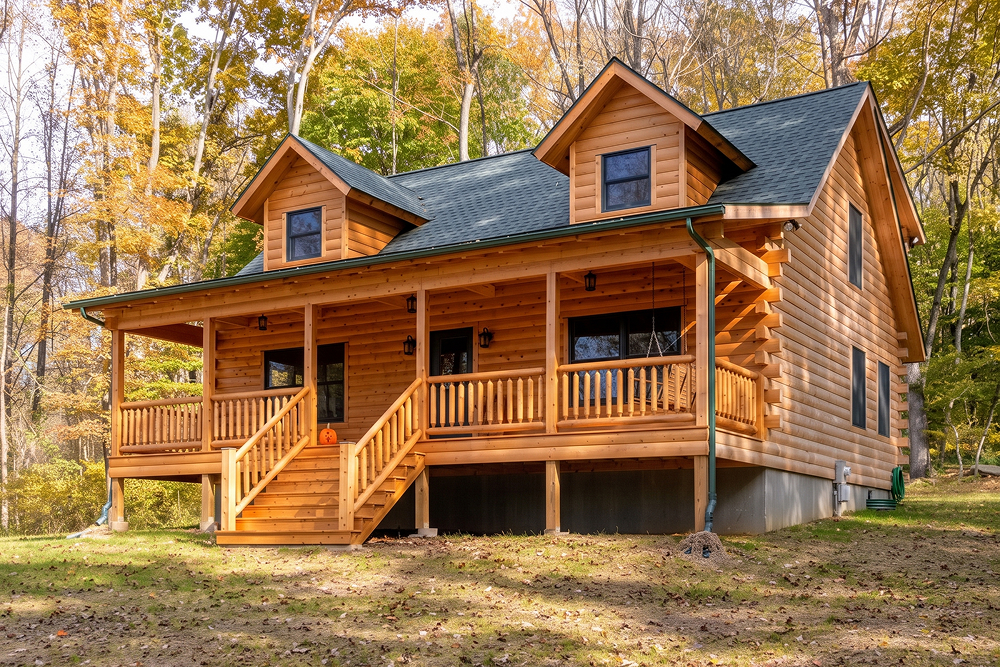
Proper ventilation is essential for adequate air circulation to prevent moisture buildup; keep vents clear and use dehumidifiers where necessary. Elevate the home on a foundation at least two feet above the ground to protect it from ground moisture. Pay close attention to your home’s design with slanted roofs, effective gutters, and generous roof overhangs to help shed water and provide shade.
“Stained and sealed red pine wood is a great choice for log siding homes, and good insulation and wider roof overhangs help keep them cooler, drier, and energy-efficient.”
Potential Challenges For Log Siding Homes
Log siding homes face fewer potential challenges than full log homes in hot and humid climates. These issues are easy to overcome with proper log siding installation and maintenance.
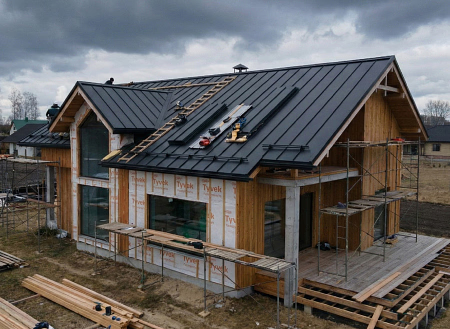
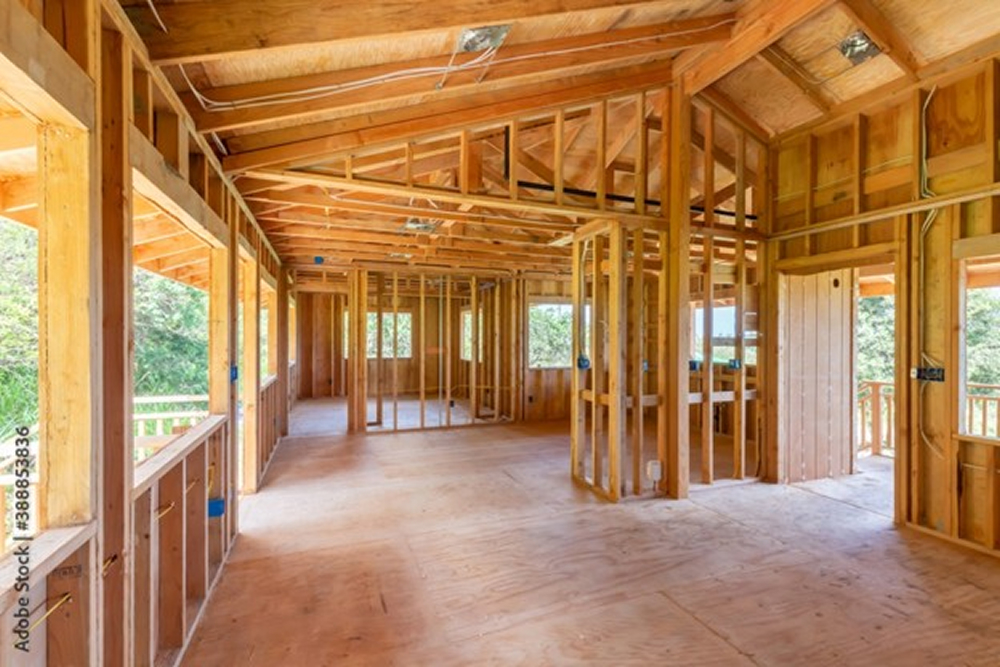
Under Construction
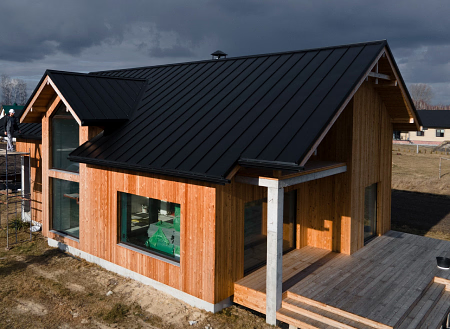
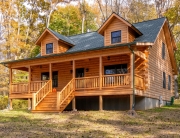
Completed Home
- Moisture Damage and Rot: Wood naturally absorbs and releases moisture. In highly humid environments, moisture can get trapped within gaps or behind the siding. You can overcome this issue by installing proper a moisture barrier, sealing/staining the siding, and caulking where needed.
- Mold and Mildew Growth: The combination of warmth and dampness creates an ideal breeding ground for mold and mildew, which can manifest as dark stains or patches on the wood surface. Professional sealing and staining eliminates this potential problem.
- Pest Infestation: Insects such as termites and carpenter bees are attracted to moist wood. Excessive moisture makes the siding more vulnerable to these pests, leading to potential structural damage and costly repairs. Mix insect repellant in the stain and sealant and you should have no issues here.
- Expansion, Warping, and Cracking: The constant fluctuation between high humidity (swelling) and high heat/UV exposure (drying) causes full log wood to expand and contract, or “check”. This movement can lead to warping, buckling, and the formation of cracks or gaps in the logs, chinking, or caulking, which then allow more moisture and insects to enter. These issues are typically minimized with pine log siding.
- Maintenance Intensity: To combat these issues, homes in hot and humid climates require maintenance. This includes regular inspections (at least twice a year), cleaning, and reapplication of high-quality, UV-resistant stains and sealants as recommended by the product manufacturers.
Tips For Building Your Home Or Cabin
Purchase properly kiln-dried pine log siding to help reduce initial moisture content to increase the wood’s stability. A well-designed and maintained house can resist moisture condensation in joints in high humidity areas. If you suspect moisture accumulation anywhere in the wood, joints, or gaps, test with a moisture meter for its level. Take any necessary steps to dry and/or seal, and stain the areas.
Build effective drainage and ventilation by ensuring proper site grading, effective functioning gutters, and adequate roof overhangs to direct water away from the log walls. Maintain good ventilation in crawl spaces and attics, and trim trees and shrubbery at least two feet away from walls to allow good air circulation and faster drying. A lot of sun in hot areas can dry out wood faster and suffer some UV damage. Use UV-protective stains and place windows strategically to minimize the issues. Check out this article that contains more valuable tips.
In summary, with the right wood, diligent maintenance (sealing), and smart design (overhangs, ventilation), log siding homes thrive in hot, humid conditions, offering rustic beauty and efficiency.


Recent Comments