
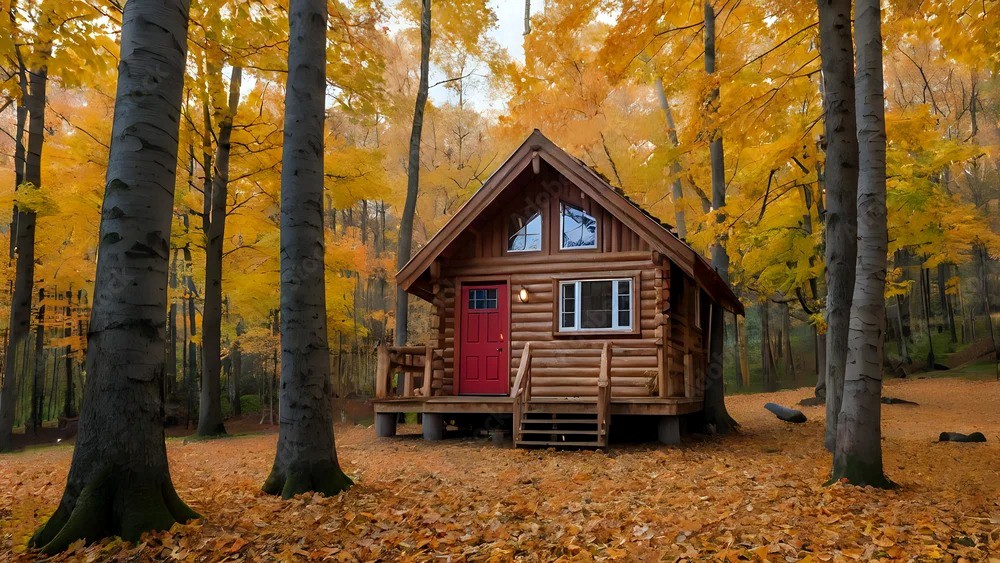
Building a livable tiny log home involves creating a simple, durable, and cozy structure, typically 400-500 square feet, using traditional techniques, such as log siding secured to conventional framing or interlocking full logs. Key elements include selecting appropriate materials, such as red (Norway) pine, employing proper caulking and chinking for insulation, and utilizing a simple rectangular design to maximize space and reduce costs.
Basic Components Of A Tiny Log Home
When designing and planning your tiny log home, opt for simple, rectangular designs to keep costs low and maximize efficiency. A Popular choice includes lofted areas for sleeping to add floor space. Use high-quality materials such as Eastern Red Pine for its balance of durability and workability. Properly kiln-dried log siding and full logs are recommended to reduce moisture content, prevent warping, and stain well. Keep these key aspects in mind when building:
Construction Methods:
- Foundation: Small, secure foundations are needed for the structure, such as piers or concrete pads, or a trailer base if the home is mobile.
- Structural System: Techniques include conventional framing for pine log siding, or notched or dovetail corners for stacked logs. Add log trims where needed.
- Caulking and Chinking: Modern synthetic caulking is crucial to seal log corners and small gaps, preventing drafts, moisture, and insect intrusion. Chinking is for full log homes or aesthetic purposes for log siding homes.
Creating Livability:
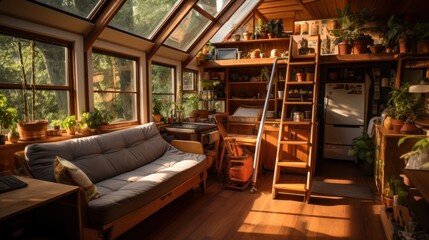
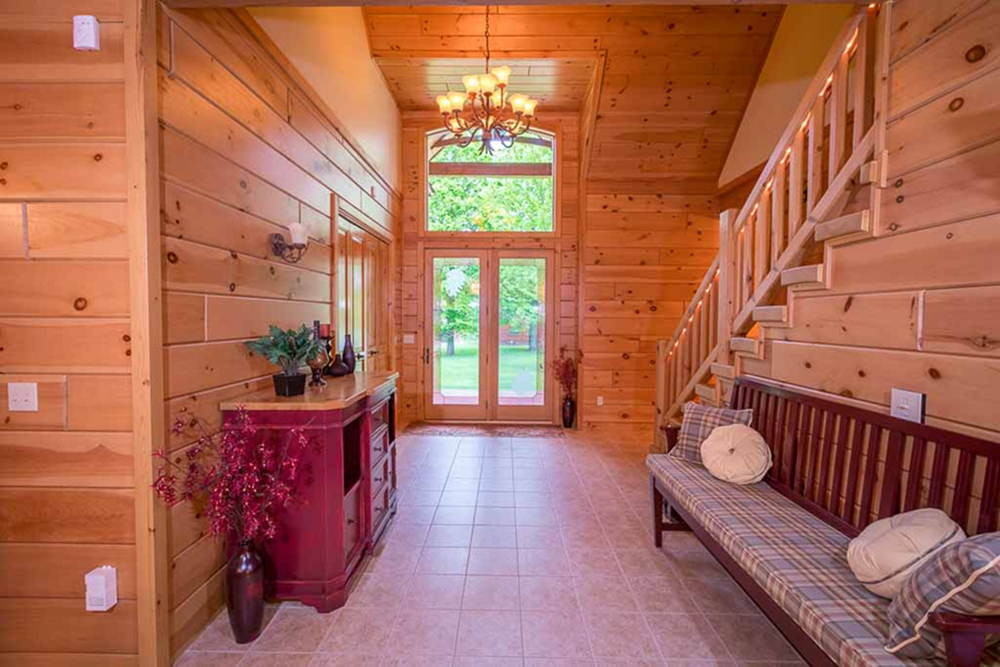
 Interior Styling: Maximize enough room space with high ceilings (vaulted) and open floor plans.
- Functional Elements: Include compact, efficient appliances and clever storage solutions to minimize clutter.
- Comforts: Incorporate small wood-burning stoves, gas heaters, or modern HVAC systems for year-round living. Add a loft for sleeping and more storage.
Mobility vs. Foundation:
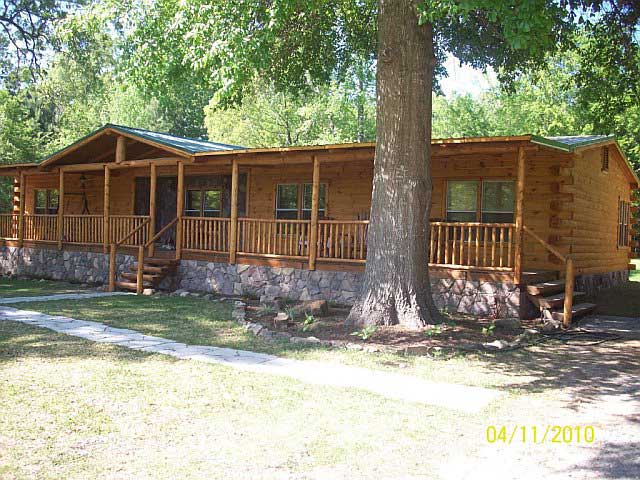
- Tiny log homes can be built on fixed foundations or constructed as mobile park RVs on a trailer frame.
- If built on a mobile trailer frame, ensure the home can be leveled properly and meets width standards.
Steps For Building A Tiny Log Home
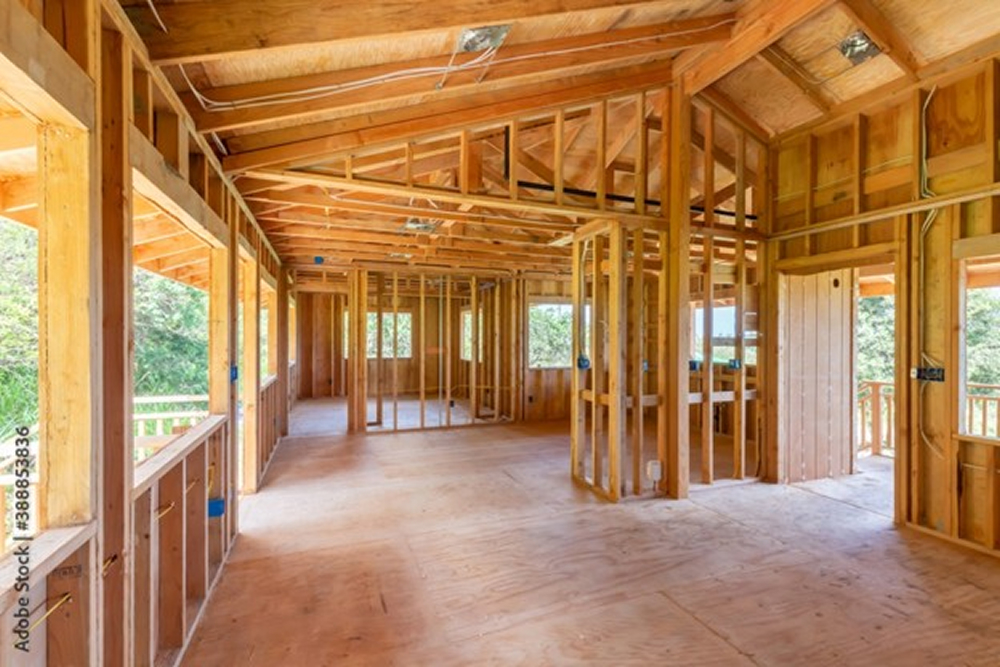
 When building a tiny log home, research and plan the budget, design, and site. You and the builder must select and acquire the building materials for a stick-built log siding or full log home. Build the foundation by ensuring the site is prepared for a solid, long-lasting base. Secure the floor joists to the base frame and add a subfloor.
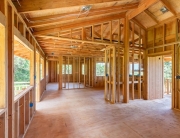
Raise the wall framing for pine log siding or stack and assemble the full logs. Add any other needed supports and install the rafters or trusses and roofing material. Follow up by installing windows, doors, trims, exterior and interior log siding if it is selected.
Add the electrical, plumbing, heating, and cooling systems, followed by the flooring (knotty pine flooring is traditional). Caulk the walls and corner joints and chink if needed or desired for aesthetics. Apply the stain/sealant to protect the wood from the elements and to beautify it.
“Building a livable tiny log home involves creating a simple, durable, and cozy structure, typically 400-500 square feet, using traditional techniques like log siding secured to conventional framing or interlocking full logs.”
Come Out Ahead By Building With Pine Log Siding
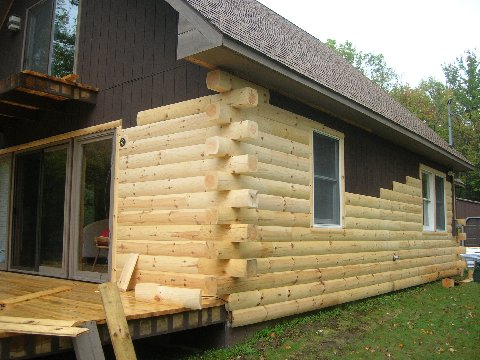 Building with pine log siding provides several practical and financial advantages over full-log construction. Consider the following when planning your livable tiny log home:
- Lower Overall Costs: Log siding can be 30% to 50% cheaper than full-log builds. Savings come from lower material costs, reduced shipping weights, and eliminating the need for heavy machinery like cranes and specialized operators.
- Faster and Easier Installation: Siding is applied to standard 2×4 or 2×6 framing, making the process accessible to general contractors or DIY homeowners with basic woodworking skills.
- Superior Insulation Options: Unlike full logs, which rely on the wood’s thermal mass for temperature regulation, framed walls with siding allow for modern insulation like spray foam or fiberglass batts, often resulting in higher energy efficiency.
- Increased Structural Stability: Full logs are prone to shifting, settling, and cracking as they dry, which can lead to air leaks or sticking doors. Pine log siding is typically kiln-dried to specific moisture levels, making it more dimensionally stable and less likely to warp.
- Design Flexibility: Using siding allows for easier future modifications, such as adding rooms or moving windows, compared to the rigid structural requirements of stacked logs.
- Simplified Maintenance: Individual siding panels can be easily replaced if damaged, whereas replacing a single structural log in a full-log home is a massive undertaking.
- Sustainability: Siding uses significantly less raw timber than full-log walls. Additionally, many manufacturers use sustainable pine from tree farms, which are regularly replanted.
A Word About Quality Materials
Even though your tiny log home is a small and perhaps a temporary dwelling, you want it to be structurally sound, durable, waterproof, efficient, and highly livable. That’s why you should not take shortcuts on its construction or buy some inferior materials just to save money. You will never be sorry for using high-quality materials inside and out.
Quality materials will reduce or eliminate problems when you move in and in the future. Save yourself time, energy, headaches, and rework by buying the best building materials you can afford. The WoodWorkers Shoppe is a premier supplier of log home building materials that come with a warranty, fair prices, and prompt delivery. Let us hear from you soon.

Recent Comments